
Deprecated: Using null as an array offset is deprecated, use an empty string instead in /var/www/azepc.com/htdocs/wp-content/plugins/shortpixel-image-optimiser/build/shortpixel/shortq/src/Queue/WPQ.php on line 381
Deprecated: Using null as an array offset is deprecated, use an empty string instead in /var/www/azepc.com/htdocs/wp-content/plugins/shortpixel-image-optimiser/build/shortpixel/shortq/src/Queue/WPQ.php on line 381
Sakai SW300 Workshop Manual – Factory Specs for SW300 Series
Original price was: $59.28.$38.00Current price is: $38.00.
Factory-certified workshop manual covering Sakai SW300 series: 114 pages of specifications, structure, inspection, and troubleshooting data.
Description
Sakai SW300 Workshop Manual – Factory Specs for Vibrating Roller Repair
I’ve been turning wrenches for 28 years. In that time I’ve watched a $6,000 hydraulic pump get grenaded because some aftermarket manual listed the wrong gear clearance tolerance. That’s real money in the scrap bin. Factory documentation is the only source I trust when it matters. This Sakai SW300 Workshop Manual is the identical print used by Sakai dealerships – 114 pages of OEM data that matches the machine sitting on your shop floor. No reprints, no third-party guesses. Just the numbers Sakai engineers stamped on the drawings.
Before you pull a single bolt on a SW300 vibrating roller, understand what you’re buying. The manual’s preface says it best: correct operation, preventive maintenance, troubleshooting, and repair are vital to keep the machine working at maximum efficiency over a long period. That’s not marketing – that’s a mandate. The factory expects you to use these specs. Ignore them at the cost of your next rebuild.
4 Major Sections in the Sakai SW300 Workshop Manual
The Table of Contents lays out exactly four chapters. Chapter 1: SPECIFICATIONS (page 1-001). Chapter 2: STRUCTURE & OPERATION (page 2-001). Chapter 3: INSPECTION & ADJUSTMENT (page 3-001). Chapter 4: TROUBLE-SHOOTING (page 4-001). That’s the entire repair workflow in one document. You don’t need to cross-reference three different sources – it’s all here.
Each section is independent but flows into the next. You start with specs so you know what the machine is supposed to read, then structure so you understand where those parts live, then inspection to measure and adjust, then troubleshooting when something goes south. That’s how a professional works. If you skip chapters, you’re guessing. Guessing costs time and parts.
Specifications: Torque, Clearances, and Fluid Capacities
Chapter 1 is where most DIY guys stop reading and start wrenching. Bad move. The SPECIFICATIONS section lists every critical dimension: bolt torque values, hydraulic pressure settings, bearing preloads, fluid capacities. Need the charge pressure for the transmission? Page 73. Want the correct oil viscosity for San Antonio summer heat? It’s in the fluid spec table. These numbers are not suggestions – they’re the difference between a seal that lasts 5,000 hours and one that pukes at 500.
I’ve seen shops order parts twice because they guessed a clearance instead of looking it up. Do not be that guy. Open the manual before you torque anything. Sakai SV400 Series Shop Manual is the same league of factory data for the SV400, if you work on those too.
Structure & Operation: How the Roller Works
Chapter 2 covers the mechanical layout of the SW300 – the vibration system, steering, hydraulic circuit, and drivetrain. Includes exploded diagrams with part numbers you can cross-reference. You don’t get that from a three-page PDF scraped off a forum. The STRUCTURE & OPERATION section explains function first, then shows how each component interacts. Understanding the sequence matters when you’re diagnosing a no-vibrate condition. If you skip this chapter and go straight to troubleshooting, you’ll waste hours tracing the wrong circuit.
For a deeper dive into manual transmission specifics on similar rollers, check the Manual Transmission article over on Wikipedia – it’s a solid overview of the gearbox principles that apply to the SW300’s driveline.
Why Should You Trust the Inspection & Adjustment Section?
Because it’s written by the same engineers who designed the machine. The INSPECTION & ADJUSTMENT chapter (page 3-001) lists step-by-step check procedures for every adjustable component: hydraulic pump neutral, brake band clearance, vibration amplitude, steering cylinder stroke. Each procedure includes the tool required (e.g., torque wrench with crowsfoot, dial indicator, pressure gauge) and the exact sequence. No generic “tighten until snug” nonsense. You get in-lb or ft-lb values with the correct tightening order.
This is where the factory manual separates itself from aftermarket trash. Aftermarket manuals often skip the adjustment specs because they don’t have access to the original design data. I’ve seen one that told a tech to “adjust the vibration frequency to spec” without listing the spec. Useless. This manual doesn’t do that. SAKAI SV500 Series Vibrating Roller Shop Manual follows the same engineering rigor – worth having if you service the SV500 family.
Audience Fit: Who Needs a Factory Sakai Manual?
Three groups: (1) Fleet mechanics who maintain multiple compactors and need consistent data. (2) Mobile repair guys who work on construction sites and can’t afford to guess a torque value in the field. (3) Home-garage owners who picked up an old SW300 at auction and want to get it running without burning a hole in the wallet. If you fall into any of those, this manual pays for itself the first time you avoid a stripped bolt or a leaky hydraulic fitting.
One more thing – the manual is in English, uses Imperial units where applicable (torque in ft-lb, dimensions in inches), and is formatted for printing. You can take the PDF to the shop, print the page you need, and get greasy fingerprints on it. That’s how shop manuals are meant to be used.
Source Validity: OEM Print vs Aftermarket Noise
AutoRepairManuals stock is the original OEM documentation. The Sakai SW300 Workshop Manual is a direct scan of the factory binder – not a retyped version, not a compilation of forum tips. Every page carries the Sakai logo and part number. When you compare it to a third-party manual, the difference is night and day. Aftermarket ones often omit the safety warnings, skip the introductory notes about proper operation, and sometimes even transpose wiring diagrams. That’s dangerous on a machine with high-pressure hydraulics and rotating vibration mechanisms.
I tell every new tech in my shop: if it didn’t come from the manufacturer, don’t torque to it. Same rule applies here. SAKAI SV512-H, SV512-E SERIES SHOP MANUAL is another factory print for a different platform – verified specs, no guesswork.
For additional background on manual transmission theory, Manual Transmission is a good read – but don’t substitute it for the Sakai service data. Factory trumps generic every time.
Frequently Asked Questions
- Does the Sakai SW300 Workshop Manual cover both the SW300 and SW300C variants?
- The manual covers the SW300 Series. Check the front cover or the SPECIFICATIONS section for a list of included model codes. The series designation should cover base SW300 models and likely the C variant if it shares the same powertrain and frame. If your machine has a different engine or vibration system, verify the part number against the manual’s list. If not listed, contact Sakai dealer support. I cannot confirm each variant – trust but verify.
- Can I use this manual for a Sakai SW500?
- No. The SW300 manual is specific to that series. You need the SAKAI SV500 Series Vibrating Roller Shop Manual for SW500.
- What torque specifications are included in the manual?
- All standard torque values for engine mounting bolts, hydraulic fittings, wheel lug nuts, vibration motor mounting, and frame fasteners. Also includes tightening sequences for critical joints like the eccentric weight assembly. The SPECIFICATIONS chapter lists each torque with the corresponding bolt grade and thread pitch. If your fastener isn’t listed, use the general standard torque table also provided in that chapter.
- Is this a PDF format or a physical book?
- PDF format. You get the complete 114-page file immediately after purchase. Print what you need or keep it on your tablet in the shop.
If you’re serious about keeping that Sakai SW300 running right, get the factory data on your bench. Access the Factory Manual today and stop relying on forum speculation or generic repair books. One torque value printed in the wrong place can cost you a whole weekend of rework. This manual puts the OEM information in your hands – use it.
Additional information
| Brand | Sakai |
|---|---|
| Language | English |
2 reviews for Sakai SW300 Workshop Manual – Factory Specs for SW300 Series
You may also like…
-
Sale!
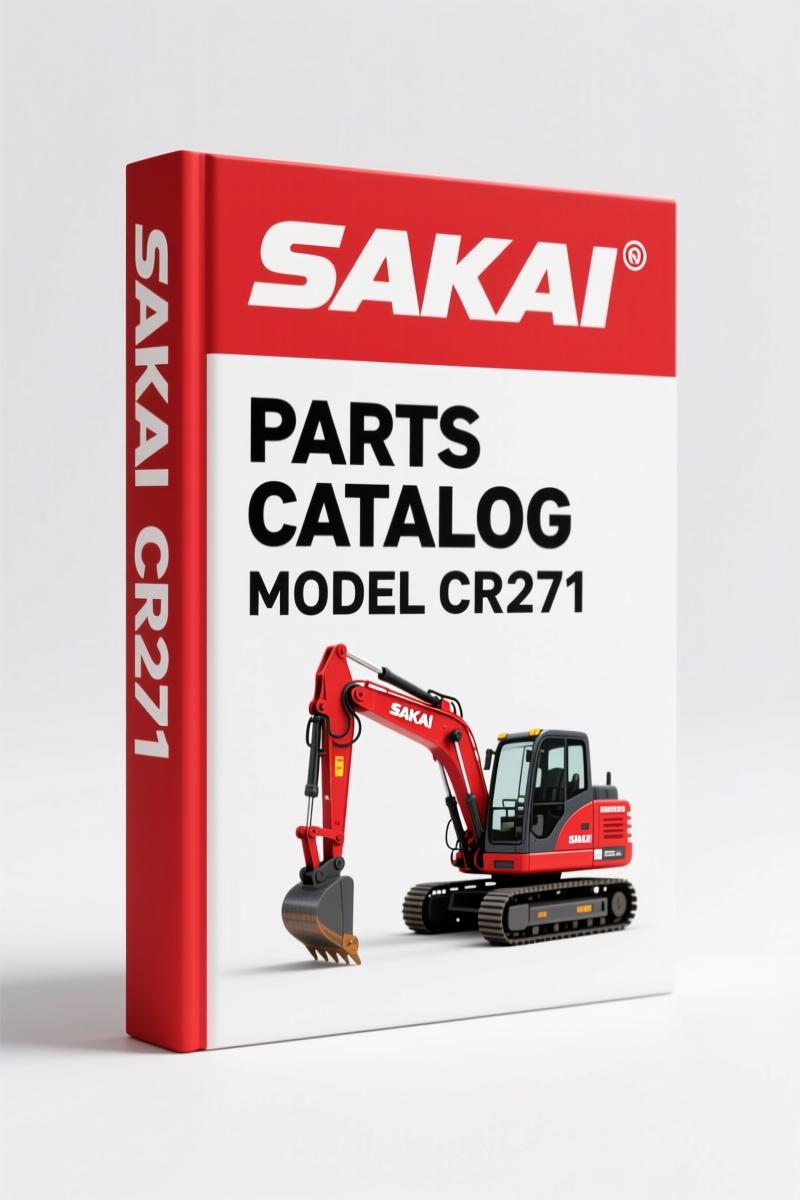
Sakai CR271 Parts Catalog – OEM Exploded-View Parts Documentation
Original price was: $42.35.$35.00Current price is: $35.00. -
Sale!
Sakai SV512-H, SV512-E Workshop Manual – Factory Specifications for Rollers
Original price was: $42.24.$32.00Current price is: $32.00. -
Sale!
Sakai GW750-2 Parts Catalog – OEM Part Numbers & Exploded Views
Original price was: $51.68.$38.00Current price is: $38.00. -
Sale!
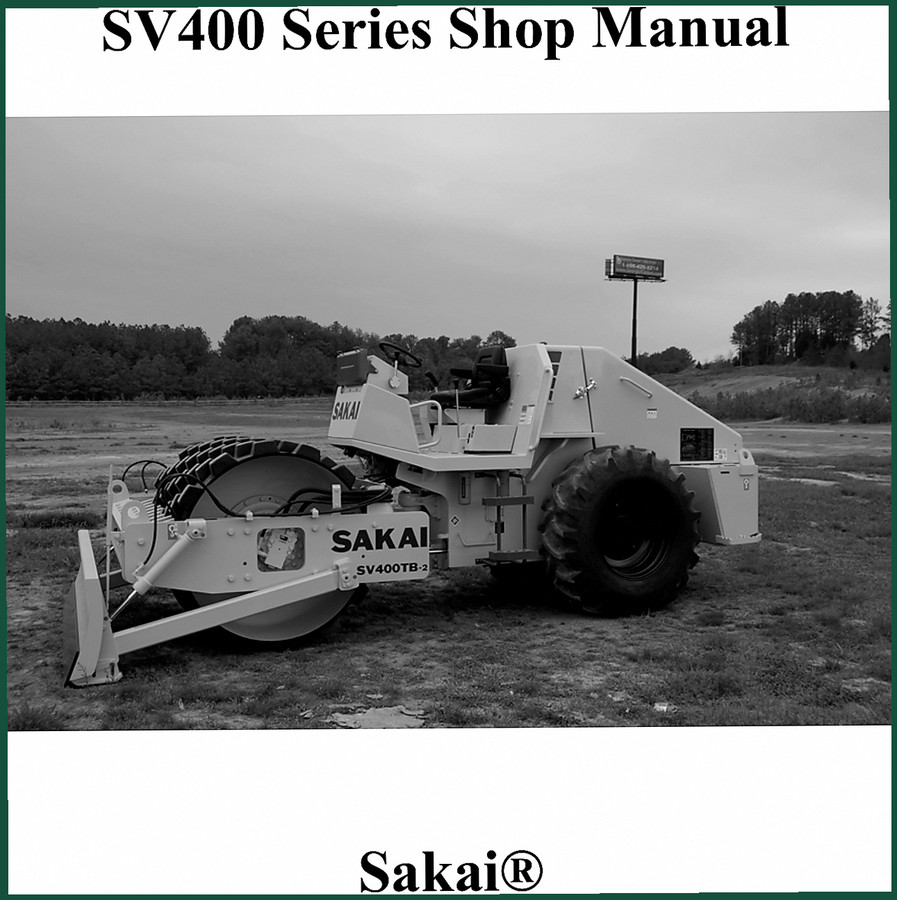
Sakai SV400, SV400TS Workshop Manual – 149 Pages OEM Documentation
Original price was: $47.04.$32.00Current price is: $32.00.
Related products
-
Sale!
Acura NSX 1991 Service Manual – 1420 Pages OEM
Original price was: $102.05.$65.00Current price is: $65.00. -
Sale!

1989 Service Manual – International 2000-8000 Electrical Systems
Original price was: $72.00.$50.00Current price is: $50.00. -
Sale!

1991 Electrical Schematic – 112-Page OEM Wiring Diagram for International 1000-3000 Series
Original price was: $22.75.$17.50Current price is: $17.50. -
Sale!
1995 Operators Manual – International 1000-4000 Series | OEM Documentation
Original price was: $12.49.$9.99Current price is: $9.99.
John S. –
This is exactly what I was looking for. It is easily zoomable on my iPad without blur. It assisted me to troubleshoot my Sakai SW300 transmission. Saves me hundreds of money.
gearhead88 –
I am so happy with this manual. The pages are clean and well indexed. Contains detailed schematics for Sakai. I will recommend this shop to others.