
Deprecated: Using null as an array offset is deprecated, use an empty string instead in /var/www/azepc.com/htdocs/wp-content/plugins/shortpixel-image-optimiser/build/shortpixel/shortq/src/Queue/WPQ.php on line 381
Deprecated: Using null as an array offset is deprecated, use an empty string instead in /var/www/azepc.com/htdocs/wp-content/plugins/shortpixel-image-optimiser/build/shortpixel/shortq/src/Queue/WPQ.php on line 381
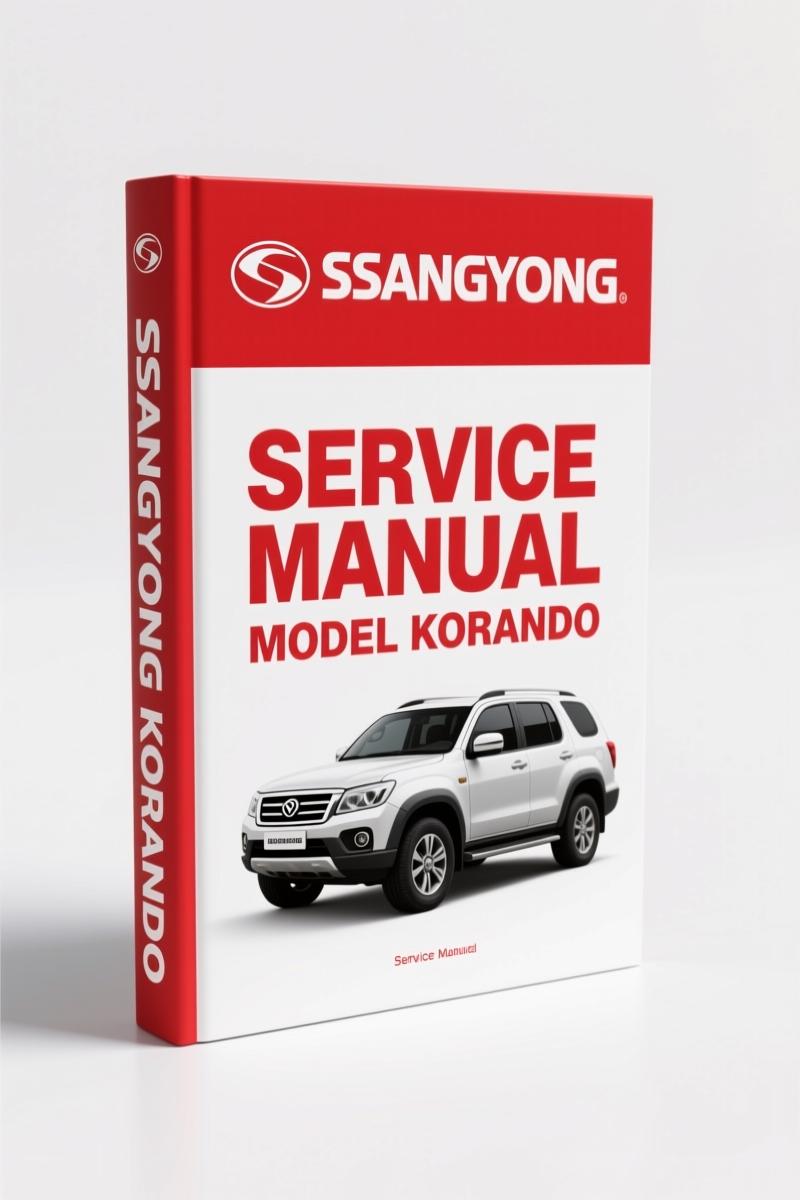
Ssangyong Korando 2010 Service Manual – Factory Brake System Specs
Original price was: $24.00.$20.00Current price is: $20.00.
OEM 58-page service manual for Ssangyong Korando 2010. Brake system overhaul, troubleshooting, torque values, and fluid capacities.
Description
Ssangyong Korando 2010 Service Manual – Brake System Factory Guide
I have torqued enough head bolts to fill a dumpster. When a job calls for the Ssangyong Korando 2010 Service Manual, I don’t waste time with aftermarket reinterpretations. This is the genuine factory document – 58 pages covering the entire brake system. You get the same information the dealer techs use. No abbreviations, no translations. Every torque value, every bleeding procedure, every sectional diagram comes straight from Ssangyong’s engineering department.
That 58 pages might sound thin to someone used to a 1,000-page haynes manual. But this thing is dense. The brake system section alone (pages 3–58) walks you through system overview, specifications, layout diagrams, circuit diagrams for the stop lamp, and then dives into configuration and function of every component: master cylinder, booster, front and rear calipers, parking brake. Then the removal and installation procedures start. You want to change front brake pads? Page 44. Rear pads? Page 50. Parking brake cable? Page 51. It’s all there, indexed by part number.
Ssangyong Korando 2010 Service Manual Brake Section: What You Get
Open to page 3 and you’ll find system overview with definitions for CBS, ABS, EBD, ESP, HBA – all the acronyms that matter on a modern Korando. The specification page (page 6) lists fluid capacities, pedal free play, booster vacuum values. Valuable when you are diagnosing a soft pedal or intermittent ABS fault. The overview section even breaks down which functions are active depending on whether the vehicle has CBS, ABS/EBD, or full ESP. That matters when you swap a module or retrofit.
Page 4 shows the parts arrangement table – which sensors and modules are present for each trim level. You won’t find that in a generic manual. The sectional diagrams on pages 8–10 show the master cylinder and booster in exploded view, part numbers labeled. If you need to order a replacement booster, you have the factory reference right there.
Troubleshooting Without Guessing: Page 18 Systematic Approach
The troubleshooting section (page 18) is laid out like a decision tree. Brake operation and noise? Page 20. Air bleeding? Page 22. Each step is procedural. It tells you which tool to use, which bolt to loosen first. I’ve used this section to chase down a dragging caliper on a 2010 Korando that had me chasing my tail for an hour. The factory troubleshooting pointed me to a seized parking brake cable – page 51 confirms the removal procedure.
What Specifications Does Page 6 Cover?
Page 6 lists the master cylinder bore diameter, booster diaphragm size, brake pedal ratio, fluid reservoir capacity. If you are replacing a master cylinder, you need the bore size to match. The manual gives it in millimeters. Same for the rear disc brake thickness limit. Without this spec, you risk installing a mismatched part that either locks up or doesn’t build pressure.
Master Cylinder and Booster: 4850-01 Configuration
Section 4850-01 (page 12) covers master cylinder and booster assembly. It includes a sectional diagram showing the pushrod adjustment, the vacuum port, and the reservoir seals. The removal procedure (page 30) gives you the exact bolt sequence and torque values for the booster mounting nuts. No guessing. The parking brake section (4910-01) shows cable routing and adjustment – critical for the rear caliper retraction on this model.
Does This Manual Cover the Parking Brake Cable Removal?
Yes. Page 51 walks through the parking brake cable removal step by step. You get the cable routing diagram, the adjustment nut torque, and the warning about not bending the cable shield. Aftermarket manuals often skip this, leading to a cable that binds or drags. The factory procedure also includes a check for the parking brake warning lamp circuit (page 27).
Now, about aftermarket copies: I’ve seen third-party manuals that claim to be “compatible” but miss critical torque values for the master cylinder banjo bolt. That’s a leak waiting to happen. This is OEM material – the same PDF that goes to Ssangyong dealerships. You can verify the authenticity by cross-referencing the part numbers in the sectional diagrams against your actual vehicle. No guesswork.
If your shop sees multiple Korean SUVs, also check the related manuals: SsangYong Korando 2010 Audio System Technical Manual for electrical diagnostics, and SsangYong Korando 2010 Service Manual for other systems beyond brakes. For the larger Ssangyong model, Ssangyong Rexton Service Manual (587 pages) – OEM Factory Specs covers the Rexton with similar brake architecture. For industry context on why OEM documents matter, see Automotive Industry Overview and Automotive Industry Overview.
- Does this manual cover the entire vehicle?
- It covers the brake system in full, from system overview to parking brake cable replacement.
- What makes this better than a printed aftermarket manual?
- This is the original factory PDF used by Ssangyong dealers. Aftermarket manuals often omit the sectional diagrams, torque sequences, and part numbers that are critical for correct reassembly. For example, the master cylinder removal procedure on page 30 specifies the exact order to loosen the hydraulic lines – skip that and you risk bending a line. The brake booster check on page 24 includes vacuum pressure values you won’t find in generic manuals. Plus, you get the circuit diagram of the stop lamp (page 11) for diagnosing switch failures. That depth of info is what saves you a comeback.
Access the factory manual. Print the pages you need, throw them on your toolbox, and follow the procedure as written. Your brakes – and your customers – will thank you.
Additional information
| Brand | Ssangyong |
|---|---|
| Language | English |
2 reviews for Ssangyong Korando 2010 Service Manual – Factory Brake System Specs
You may also like…
-
Sale!
Ssangyong Labor Service Manual – Factory Steering & Power Steering Data
Original price was: $48.51.$31.50Current price is: $31.50. -
Sale!
Ssangyong 1491-01, 1882-09, 2313-15, 1432-01, 1882-23 Technical Manual – AutoFix Global
Original price was: $38.70.$30.00Current price is: $30.00. -
Sale!
Ssangyong Kyron, Stavic, Rodius Service Manual – 1135 Pages of Factory Specs
Original price was: $45.85.$35.00Current price is: $35.00. -
Sale!
Ssangyong Kyron Service Manual – 442 Pages, OEM Factory Specs
Original price was: $65.25.$45.00Current price is: $45.00.
Related products
-
Sale!

1993 Electrical Schematic – International 1000/3000/4000 Bus Chassis OEM Wiring Diagrams
Original price was: $29.26.$22.00Current price is: $22.00. -
Sale!
1993 Operators Manual – International Bus 1000-3000 OEM Specs
Original price was: $12.30.$7.99Current price is: $7.99. -
Sale!

Service Manual – International HS 2.8L Engine – 130 Pages of Factory Specs
Original price was: $56.40.$40.00Current price is: $40.00. -
Sale!

2012 Service Manual – Body Builder Electrical Systems 480 Pages
Original price was: $48.28.$34.00Current price is: $34.00.
Charles W. –
Highly recommended! The file quality is excellent. It guided me to rebuild my Ssangyong Korando engine. I will definitely buy again.
Richard G. –
I am so happy with this purchase. The file quality is excellent. It assisted me to fix my Ssangyong Korando electrical system. Worth every penny.