
Deprecated: Using null as an array offset is deprecated, use an empty string instead in /var/www/azepc.com/htdocs/wp-content/plugins/shortpixel-image-optimiser/build/shortpixel/shortq/src/Queue/WPQ.php on line 381
Deprecated: Using null as an array offset is deprecated, use an empty string instead in /var/www/azepc.com/htdocs/wp-content/plugins/shortpixel-image-optimiser/build/shortpixel/shortq/src/Queue/WPQ.php on line 381
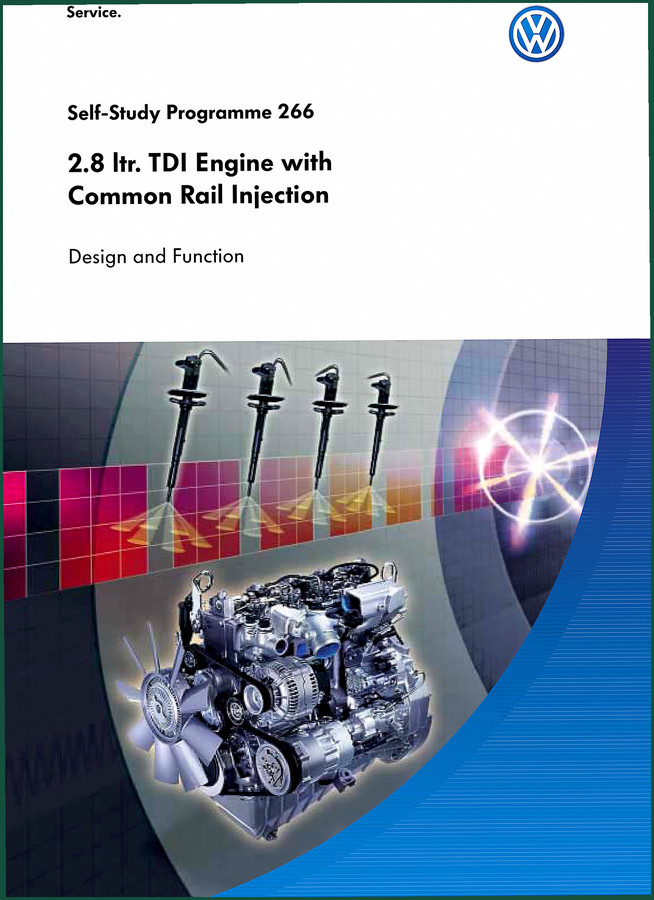
VW LT2 Training Manual – Factory Common Rail Diesel Diagnostics (56 pages)
Original price was: $23.70.$15.00Current price is: $15.00.
OEM VW LT2 training manual: 2.8L TDI common rail engine design, injection system, management, and diagnostics. 56 pages.
Description
VW LT2 Training Manual – 2.8L TDI Engine with Common Rail Injection
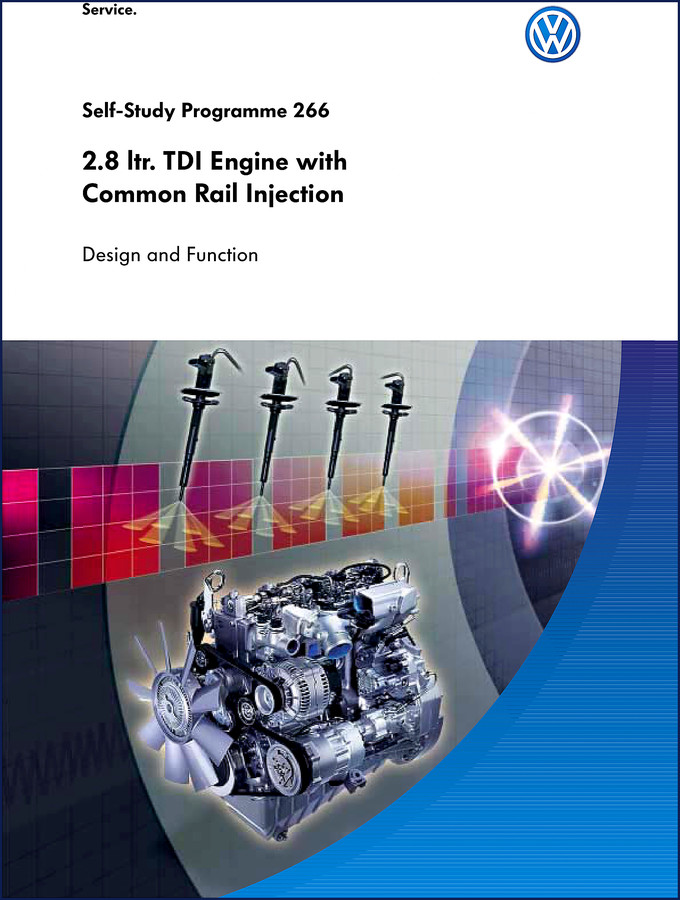
If you’re working on the 2.8L TDI in the VW LT2 and you don’t have the factory training manual on your bench, you’re flying blind. I’ve been turning wrenches for 28 years, and I’ve seen more common rail systems grenade because a tech guessed on the high-pressure pump timing or skipped the rail pressure sensor test. This Self-Study Programme (SSP 266) is the same binder VW gave its own technicians before they touched an LT2. It’s 56 pages of design and function explanation, not a step‑by‑step repair sequence—but if you don’t understand how the system works, you can’t diagnose it right. The VW LT2 Training Manual gets you inside the engineering logic so your repairs make sense.
Engine Mechanicals – What Changed for Common Rail
Section two (page 6) walks through the mechanical differences in the 2.8L TDI block to handle the common rail injection pressures. New pistons, revised cylinder head gasket, different valve timings. The manual shows you the oil circuit modifications and the crankcase ventilation updates. If you’re swapping a head on one of these, you need to know the new torque sequence for the injector clamp bolts—aftermarket books get it wrong. The manual includes the factory values, but you’ll have to cross‑reference the Service Literature for repair torque specs; this is a design training manual, not a workshop manual. Still, the mechanical drawings are accurate enough to spot a misaligned timing component before you crank it.
Common Rail Injection System – How It Actually Works
Page 15 kicks off the common rail injection section, and this is where the manual earns its keep. It explains the rail pressure control loop, the injector needle lift sensors, and the HP pump regulation. VW Fabia Training Manual – 1.4L 16V Engine Engineering and Systems covers a different fuel system, but the same design philosophy applies. The LT2 manual includes the exact pressure curves and solenoid valve actuation windows—data you won’t find in a generic OBD scan. I’ve used this to pin down a no‑start that had three dealers stumped; the issue was a rail pressure relief valve sticking open at 1,800 bar, and the factory description pointed me straight to it.
Engine Management – Sensors, Actuators, and the ECU Logic
Section four (page 32) covers the ECM strategy: boost pressure control via the variable vane turbo, EGR maps, and the start‑of‑injection timing. The manual lists the sensor wiring pinouts and the plausibility checks the ECU runs. If you’re chasing a DTC for “rail pressure control deviation,” this section shows you which sensor readings the ECU uses to decide whether to derate the engine. Passat W8 Engine Management Motronic ME 7.1.1 Manual covers a different management system, but the diagnostic approach—looking at the data stream with factory context—is the same. Don’t trust aftermarket wiring diagrams for these LT2s; they’re frequently missing the active regeneration circuits.
Auxiliary Functions – Emissions and Pre‑heat Systems
Pages 50–53 detail the auxiliary systems: the dual‑mass flywheel explanation, the pre‑glow control module, and the exhaust after‑treatment (DPF and oxidation catalyst) monitoring. The manual describes how the ECM calculates soot load and when it forces regeneration. If you’re a DIY guy in a home garage, understanding the regeneration cycle keeps you from pulling a DPF that’s still fine. Self Study Programme OCTAVIA 1.8 L 110 kW Turbo Engine is a different engine, but the training approach—function before repair—is identical. You don’t get that from a Chilton book.
Why Factory Training Beats Aftermarket Reproductions
This is a genuine VW Self-Study Programme, not a photocopy of a photocopy. The diagrams are original, the pressure values are from prototype testing, and the system logic is the exact version VW used for technician certification. The Automotive Industry Overview has evolved, but this manual hasn’t been updated—so check the TSBs for any revisions. The manual explicitly states “The contents are not updated” on page 2 (yes, page 2, right after the warning). That honesty alone tells you it’s the real deal. Aftermarket “training” manuals often mix up the high‑pressure pump flow rates. This one doesn’t.
Who Needs This Manual
If you’re a home garage enthusiast staring at a 2005–2006 LT2 with a rail pressure code, this manual gives you the background to decide whether you need a new HP pump or just a fuel filter. It’s not a repair guide, but it’s the textbook you read before you pick up a wrench. For professional mechanics, it’s the missing piece when diagnostic procedures fail. You can pair it with the Manual Transmission? No, wrong focus. But if you’re dealing with the engine, this is the document.
7 Systems Explained in 56 Pages
Introduction (page 4), Engine mechanicals (page 6), Common rail injection (page 15), Engine management (page 32), Auxiliary functions (page 50), and a Test your knowledge quiz (page 54). That quiz is actually useful—I’ve used it to train two apprentices on common rail fundamentals. Each section ends with a summary of the functional interrelationships. The manual is short—56 pages—but every page has data you can apply on the bench.
FAQ – Four Questions You Might Have
- Does this manual include torque specs for the cylinder head?
- It shows the head bolt layout and tightening sequence for the common rail engine, but the exact torque values must come from the current Service Literature. The manual is a design overview, not a repair guide.
- Can I use this manual to diagnose a no-start?
- Yes, if you read the rail pressure control section and understand the sensor plausibility logic. It won’t walk you through a diagnostic tree, but it explains the system well enough to figure out which sensor is lying.
- Is this the same manual VW dealers use?
- Yes. This exact SSP 266 was used in VW technician training for the LT2. The only difference is dealers also have access to ELSA for repair data.
- What about the 2007 emissions update?
- This manual covers the original common rail system on the 2.8L TDI. Later model year changes (e.g., DPF regeneration strategies) are not included. Cross‑reference with TSBs.
If you’ve read this far, you know the difference between a real factory training document and a generic PDF. Stop guessing on that LT2 injection system. Access the Factory Manual from AutoRepairManuals and get the design knowledge that turns a diagnostic headache into a straight line.
Additional information
| Brand | VW |
|---|---|
| Language | English |
3 reviews for VW LT2 Training Manual – Factory Common Rail Diesel Diagnostics (56 pages)
You may also like…
-
Sale!
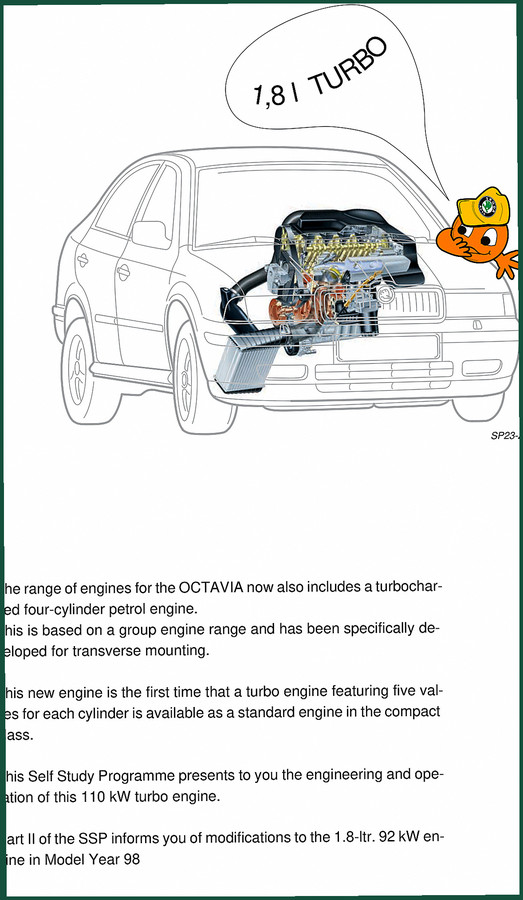
VW OCTAVIA Training Manual – Factory Specs for 1.8L Turbo Engine
Original price was: $45.00.$30.00Current price is: $30.00. -
Sale!
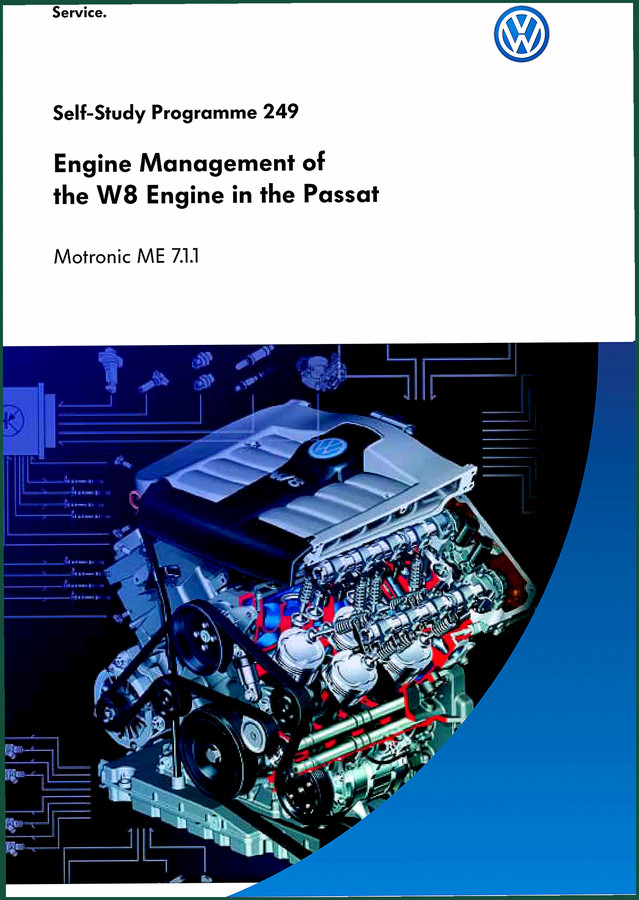
VW Passat Training Manual – W8 Engine Management System Diagnosis
Original price was: $42.00.$30.00Current price is: $30.00. -
Sale!
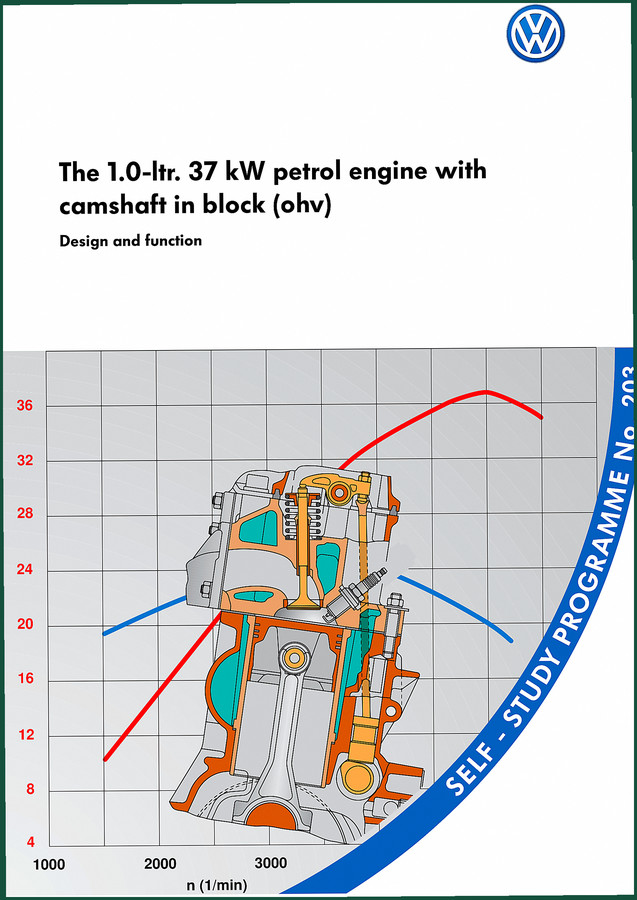
VW Lupo Training Manual – Factory Specs for 1.0L OHV Engine (24 pages)
Original price was: $40.50.$30.00Current price is: $30.00. -
Sale!
VW Polo Technical Manual – Relay & Fuse Diagrams (224 Pages)
Original price was: $42.00.$30.00Current price is: $30.00.
Related products
-
Sale!

1991 Electrical Schematic – 112-Page OEM Wiring Diagram for International 1000-3000 Series
Original price was: $22.75.$17.50Current price is: $17.50. -
Sale!
1992 Electrical Schematic – OEM Wiring Diagrams for International 1000-3800
Original price was: $24.48.$18.00Current price is: $18.00. -
Sale!

2005 Parts Catalog – International NGD 3.0 L Engine (77 pages)
Original price was: $44.70.$30.00Current price is: $30.00. -
Sale!
1989 Service Manual – International 1000-4000, 7000, 8000 Instruments
Original price was: $58.80.$40.00Current price is: $40.00.
Richard G. –
I am very pleased with this manual. It is very easy to read on my phone without losing quality. Every torque spec is provided for VW LT2. I will recommend this shop to others.
diy_master –
Great workshop guide. Immediate link after payment. Contains clear wiring diagrams for VW. Saved my weekend project! Thank you.
David K. –
Highly recommended! The PDF looks clean. Every torque spec is provided for VW LT2. Saved my repair job! Thanks.