
Volkswagen up! Training Manual – OEM Factory System Documentation
Original price was: $41.70.$30.00Current price is: $30.00.
44-page factory training manual detailing the up! engine, transmission, body, and electrical systems. Essential for understanding the vehicle’s architecture.
Description
Volkswagen up! Training Manual
If you’re turning wrenches on an Volkswagen up! Training Manual and don’t have the factory training guide in your bay, you’re guessing on clearances, torque sequences, and wiring pinouts. I’ve seen techs strip door lock rods because they didn’t understand the push-pull locking mechanism. I’ve watched a shop replace a dash panel insert twice because they missed the installation points in the vehicle electrical system. This 44-page Self-Study Programme 500 isn’t a repair manual – it’s the engineering brief that tells you why the up! was built the way it was, and it gives you the background you need to diagnose without chasing ghosts.
The Bratislava Production Site and What It Means for You
The up! comes out of the Bratislava plant in Slovakia. That’s the same facility that builds the Audi Q7 and Porsche Cayenne. The body structure chapter in this manual (page 8) walks through the specific welding points, bonding, and crash paths. If you’re pulling a door panel or aligning a boot lid, knowing the factory body joints helps you avoid splitting a spot weld. The manual covers doors and the push-pull locking system in enough detail to understand the cable routing – no more broken interior handles because you yanked the wrong clip.
Body Structure and Door Locks – Why Factory Drawings Matter
Vehicle lighting, interior trim removal, boot lid hinge adjustments – the body section has exploded views that aftermarket diagrams always simplify. I’ve had to re-learn door lock actuator positions on a 2012 up! because a generic manual showed the rod going straight when it actually has a 15-degree bend. This training manual shows the complete door inner structure. If you’re a DIY guy swapping a door actuator, start here. The official Volkswagen document includes the correct clip part numbers and the sequence to release the window regulator without breaking the glass.
The 1.0L MPI Engine – Torque Specs You Can Trust
Two versions of the three-cylinder 1.0-liter MPI: 44 kW and 55 kW. The Engines chapter (page 16) covers intake manifold injection, the start/stop system included in BlueMotion versions, and the later natural gas variant. Before you touch the timing chain (yes, it’s a chain), you need the factory tightening sequence for the cylinder head bolts. This manual doesn’t list every torque value – that’s in the workshop manual – but it shows the water jacket circulation, the port injector placement, and the engine mount attachment points. Combine this with the actual repair manual, and you won’t snap a bolt on a 55 kW unit that someone cross-threaded at the factory. Related: Volkswagen up! Manual Gearbox 0CF Training Manual covers the gearbox separation procedure.
The 0CF Manual Gearbox – Don’t Guess the Tolerances
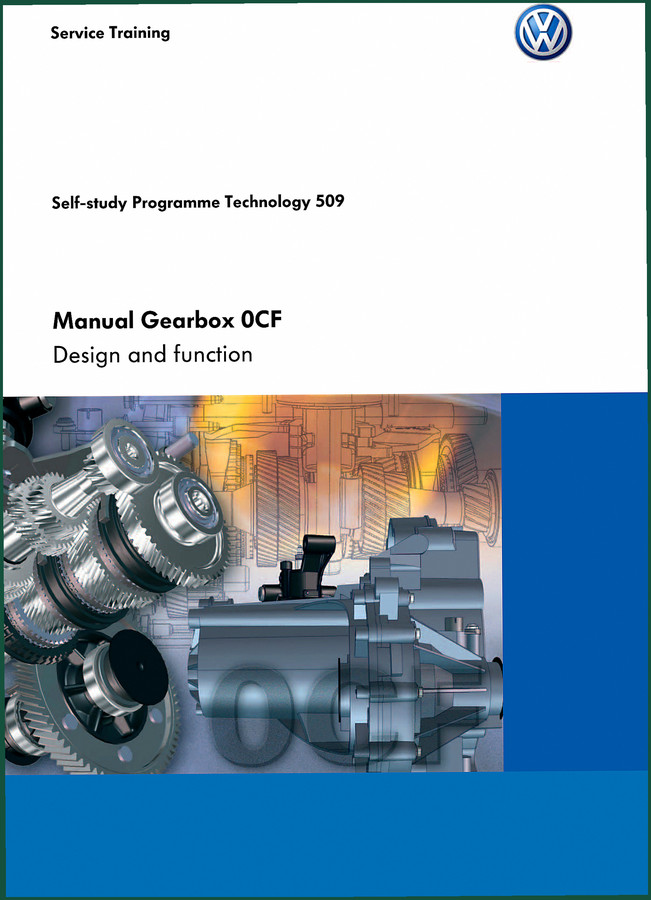
The Power Transmission chapter (page 17) digs into the 0CF five-speed manual gearbox. It’s a lightweight, weight-optimized unit with an automated manual option. If you’re replacing a clutch or shifting linkage, the manual includes the shift fork positions and the synchronizer layout. Manual Transmission fundamentals are one thing, but the up! uses a cable-operated shift mechanism that binds if the bracket isn’t clocked correctly. The training manual gives you the floor plan of the transmission housing and the oil fill level check point. For the automated manual version, the hydraulic actuator travel limits are described – you’ll need this before you code the control unit.
Electrical System Layout – Installation Points and Dash Panel Insert
Vehicle electrical system (page 27) is where most aftermarket manuals fail. The up! uses a central electrical platform with a dash panel insert that integrates the J519 onboard supply control unit. The manual shows installation points: fuse locations, relay positions, and the power distribution box under the hood. If you’re adding a parking aid or retrofitting the optical parking system (OPS), you must understand the CAN bus topology used for the Convenience Electronics. The optional “maps + more” infotainment system uses a mobile device dock on the dash panel – the aerial system wiring is mapped out here. Without this diagram, you’ll backprobe the wrong pin and light up the airbag warning.
City Emergency Braking Function – Safety First
Running Gear chapter (page 18) covers the electromechanical power steering and the city emergency braking function. This system uses a laser sensor mounted near the rearview mirror to detect stopped vehicles under 18.6 mph (30 km/h). If the system triggers auto-braking, the brake fluid pressure and pedal feel change. Mechanics who don’t read this chapter will misdiagnose a hard pedal as a vacuum leak. The manual explains the interaction between the ABS control unit and the steering angle sensor. For your own safety, never test this function without the laser sensor cover installed – the manual points that out on a warning note inside the Running Gear section.
Heating and Air Conditioning – Manual Systems Only
The manual heating and ventilation system and the manual heating and air conditioning system are covered separately (page 24). Both are non-automatic HVAC units. The training guide shows the heater box, blend door actuation, and refrigerant circuit layout. If you’re converting a base up! to air conditioning, this chapter tells you which wiring harness connector to use at the dash panel insert. Don’t waste hours tracing the wrong pigtail.
For broader Volkswagen technical background, the Volkswagen 2.3-ltr. V5 Training Manual – OEM Factory Specs and the Volkswagen Passat 2005 Training Manual – Technical Overview cover different engine families and electronic architecture. Reading those alongside this up! manual builds a solid diagnostic foundation. For the automotive industry perspective, Automotive Industry Overview explains how manufacturer training documents like this one are developed.
FAQ
- Is this the same as a factory workshop repair manual?
- No. This is a Self-Study Programme (SSP) – a training guide that explains system design and function. It does not contain step-by-step repair instructions or torque tables. You need the official workshop manual for those.
- What torque specs are included?
- None. Torque values for the 1.0L engine or gearbox are not in this manual. The manual focuses on component identification, system relationships, and diagnostic insight. Pair it with the proper repair manual for torque data.
- Does this cover the navigation/infotainment system?
- Yes. The Infotainment chapter (page 39) covers the RCD 215 radio, aerial systems, and the optional “maps + more” navigation and infotainment system that uses a mobile device dock. Wiring for the interface is included.
- Can I use this to fix a broken city emergency braking sensor?
- It will show you where the laser sensor is mounted, how it communicates with the ABS control unit, and the activation logic. But for removal, calibration, and replacement procedures, you must get the factory workshop manual. This training guide ensures you understand the system before you touch it.
You’ve read through the systems. Now get the official Volkswagen training material on your bench. Access the Factory Manual from AutoRepairManuals and keep it pinned to your workstation – it’s 44 pages of factory-designed, factory-verified documentation that every up! technician needs.
Additional information
| Brand | Volkswagen |
|---|---|
| Language | English |
3 reviews for Volkswagen up! Training Manual – OEM Factory System Documentation
You may also like…
-
Sale!

Volkswagen Serie C 2003 Service Manual – OEM Factory Specs
Original price was: $53.60.$40.00Current price is: $40.00. -
Sale!

Volkswagen Golf Jetta GTI Service Manual – 4954 Pages Official Specs
Original price was: $95.55.$65.00Current price is: $65.00. -
Sale!

Volkswagen Phaeton Training Manual – Auxiliary Heater System (52 pages)
Original price was: $55.80.$45.00Current price is: $45.00. -
Sale!

Volkswagen Passat 1995 Repair Manual – Factory Wiring & Engine Specs
Original price was: $57.20.$40.00Current price is: $40.00.
Related products
-
Sale!

1992 Electrical Schematic – OEM Wiring Diagrams for International 1000-3800
Original price was: $24.48.$18.00Current price is: $18.00. -
Sale!

2005 Parts Catalog – International NGD 3.0 L Engine (77 pages)
Original price was: $44.70.$30.00Current price is: $30.00. -
Sale!

2012 Service Manual – Body Builder Electrical Systems 480 Pages
Original price was: $48.28.$34.00Current price is: $34.00. -
Sale!
1993 Operators Manual – International Bus 1000-3000 OEM Specs
Original price was: $12.30.$7.99Current price is: $7.99.
workshop_guy –
This is exactly what I was looking for. Instant access after checkout. A must-have for any Volkswagen up! mechanic doing repairs. Saves me hundreds of money.
Michael T. –
This is just what I was looking for. The scan is high-quality and well indexed. Contains detailed bolt torque specs for Volkswagen. Saves me hundreds of money.
David K. –
Excellent workshop guide. Immediate link after payment. Every wiring layout is provided for Volkswagen up!. I will definitely buy again.