
Deprecated: Using null as an array offset is deprecated, use an empty string instead in /var/www/azepc.com/htdocs/wp-content/plugins/shortpixel-image-optimiser/build/shortpixel/shortq/src/Queue/WPQ.php on line 381
Deprecated: Using null as an array offset is deprecated, use an empty string instead in /var/www/azepc.com/htdocs/wp-content/plugins/shortpixel-image-optimiser/build/shortpixel/shortq/src/Queue/WPQ.php on line 381
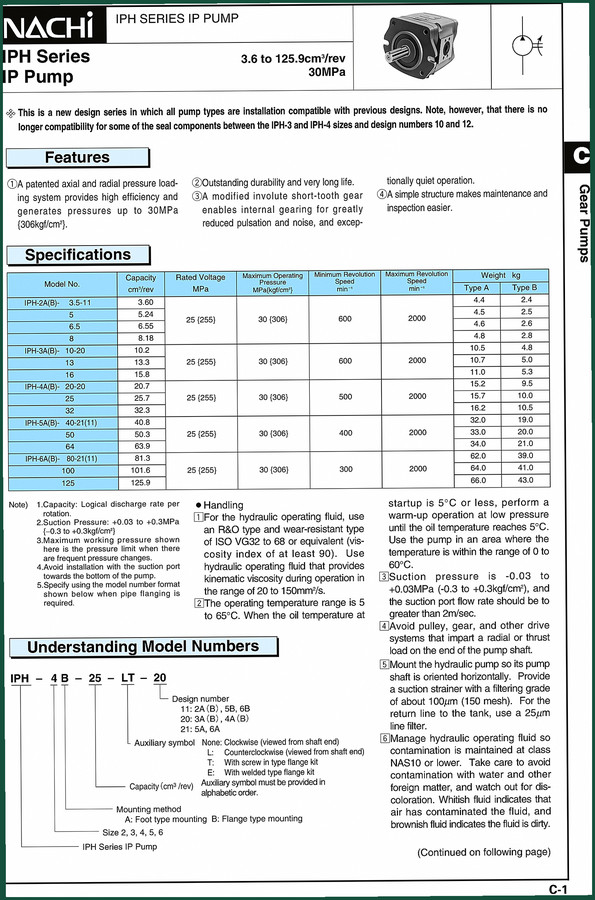
Nachi IPH-2A(B)-3.5-11 Technical Manual – 13 Pages of Factory Specs
Original price was: $20.39.$12.99Current price is: $12.99.
OEM Nachi technical manual for IPH-2A(B)-3.5-11, 5-11, 8-11, IPH-3A(B)-10-20, 13-20 pumps. 13 pages of factory specs: capacity, pressure, fluid viscosity, operating limits.
Description
Nachi IPH-2A(B)-3.5-11, IPH-2A(B)-5-11, IPH-2A(B)-8-11, IPH-3A(B)-10-20, IPH-3A(B)-13-20 Technical Manual
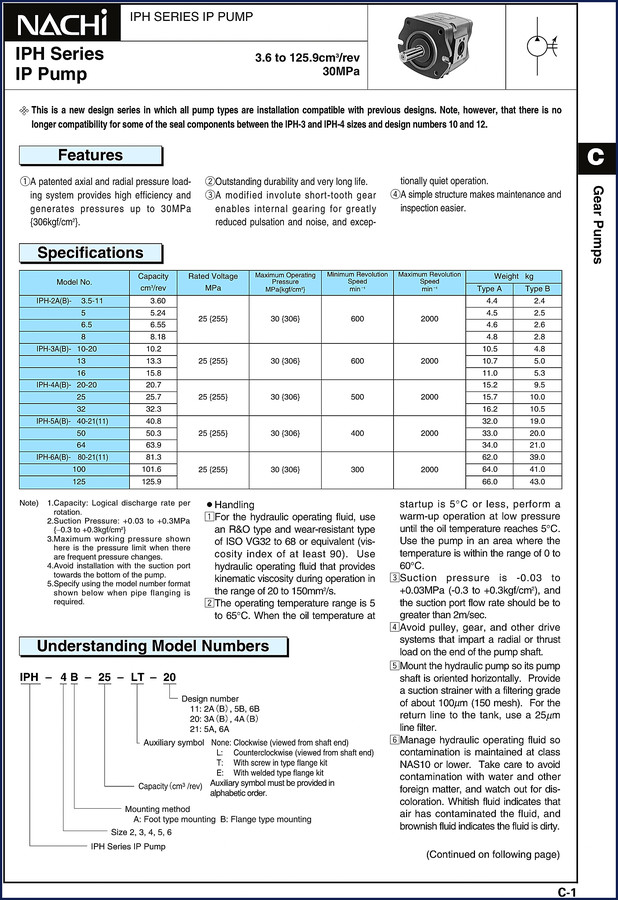
If you are rebuilding or maintaining a Nachi IP pump and you are working from a photocopied spec sheet or a forum post, stop. That is how you end up with a pump that makes metal at 2000 RPM. Nachi IPH-2A(B)-3.5-11, IPH-2A(B)-5-11, IPH-2A(B)-8-11, IPH-3A(B)-10-20, IPH-3A(B)-13-20 Technical Manual is the factory document – 13 pages of verified data. No guesswork.
What the 13 Pages Cover – Pressure, Capacity, and Fluid
This is not a generic pump manual that tells you to “reassemble in reverse order.” Page one gives you the full spec table for all five models: displacement in cm³/rev, rated pressure at 25 MPa (255 kgf/cm²), max operating pressure at 30 MPa (306 kgf/cm²), and minimum/maximum rev limits (600 to 2000 min⁻¹). You also get dry weights – Type A ranges from 4.4 kg to 10.7 kg depending on model. That matters when you are ordering seals or sizing a mounting bracket.
Beyond the numbers, the manual spells out the operating temperature range of 5 to 65°C and the required ISO VG32 to 68 hydraulic fluid – R&O or wear-resistant type with a viscosity index of at least 90. Those are the details aftermarket reprints often drop. If you use a fluid that is too thick at startup, you cavitate the pump and eat the bearings. The OEM says warm up below 5°C at low pressure. That is in the manual.
Why You Want OEM Nachi Documentation – Not a Third-Party Copy
I have torn down pumps that were “rebuilt” using a scanned manual that blurred the torque values. Avoid it. This Nachi technical manual is a direct OEM release – the same PDF the factory service centers use. It shows the patented axial and radial pressure loading system, the modified involute short-tooth gear, and the suction pressure limits (-0.03 to +0.03 MPa). Aftermarket manuals cut the installation notes, like the warning never to mount the pump with the suction port facing down. That note is from the factory. You miss one sentence and you spend a day bleeding air.
For context, if you need a similar spec-heavy manual for a different industrial system, check out the Drogobych Crane КТА-16, КТА-25, КТА-28 2004 Installation Manual – same level of structural detail. Or the Injectocean Diablo, Murciélago, Defender, Discovery, Freelander Technical Manual for vehicle hydraulic applications. And the Minsk MMVZ-3.11212 Technical Manual – Factory Specs is another example of factory-only data.
Does It Include Shaft Load and Installation Rules?
The manual addresses one of the biggest killer of hydraulic pumps – shaft loading. It explicitly says: avoid pulley, gear, or drive systems that put radial or thrust load on the pump shaft end. Mount the pump shaft horizontally. That kind of instruction is what separates a “repair” from a rebuild that stays sealed for 10,000 hours. And for the fluid guys: suction port flow rate must not exceed 2 m/s, and suction pressure must stay within -0.03 to +0.3 MPa. Go outside that window and you get aeration or cavitation.
Who Should Own This Technical Manual
If you maintain industrial gear pumps, agricultural sprayer systems, or the hydraulic packs on heavy equipment, this is for you. The IPH series covers 3.6 to 125.9 cm³/rev – the small end of the line is right here with the IPH-2A(B)-3.5-11 at 3.60 cm³/rev. It is also for the home-shop guy who bought a used hydraulic unit and wants to verify the pump before installing it. Know that the manual does not cover the IPH-4 and up sizes (that is a separate document). These five models share the same design philosophy, so the assembly clearances and fluid rules apply across the board.
If your project involves gearbox repairs where hydraulic pump knowledge crosses over, understanding pump specs helps when diagnosing a Manual Transmission lubrication circuit. Same principles – different tolerances.
FAQ
- Is this manual the same as the Nachi factory service manual for the IPH series?
- Yes. This is the OEM technical manual, direct from Nachi. 13 pages, original PDF, no third-party editing.
- Will this help me rebuild a pump that has been sitting for ten years with dry seals?
- It gives you the critical parameters: fluid viscosity range (20–150 mm²/s kinematic during operation), maximum working pressure, and the warm‑up procedure for cold starts. The manual does not include disassembly photographs or overhaul step sequences because it is a technical spec document – you pair it with the separate service manual for teardown. But the data here is what you need to pick the right seals and set the correct relief pressure. Without it, you risk overpressuring the housing. That is a fire hazard, not a repair.
Stop wasting time chasing specs from online sources that can’t verify their numbers. This factory PDF tells you exactly what the pump needs. Access the Factory Manual and keep it in your digital binder – your next rebuild will go together right the first time.
Additional information
| Brand | Nachi |
|---|---|
| Language | English |
3 reviews for Nachi IPH-2A(B)-3.5-11 Technical Manual – 13 Pages of Factory Specs
You may also like…
-
Sale!
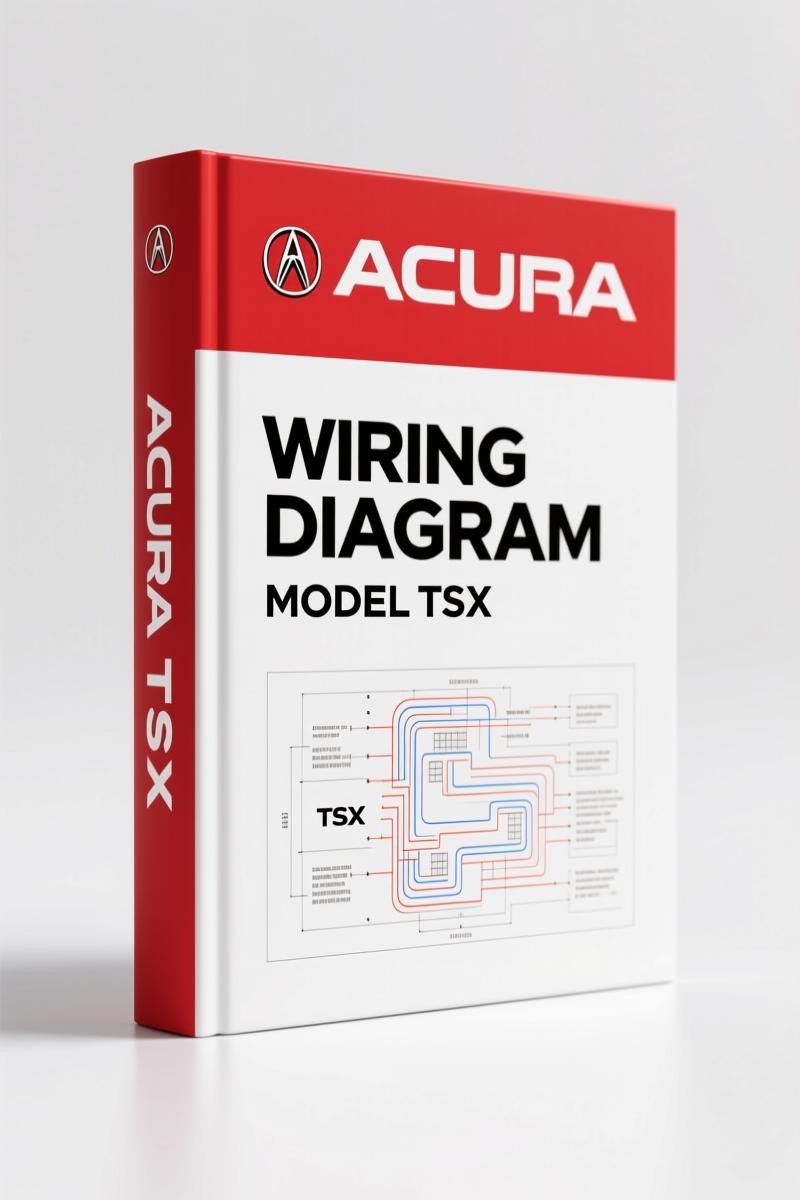
2004 Acura TSX Wiring Diagram – 73-Page Factory Electrical Schematics
Original price was: $15.88.$9.99Current price is: $9.99. -
Sale!

CDS 705C, 706C, 708C 1981 Parts Catalog – OEM Forklift Specs
Original price was: $61.60.$40.00Current price is: $40.00. -
Sale!

Acura Integra 1998 Service Manual – 1891 Pages Factory OEM Documentation
Original price was: $31.75.$25.00Current price is: $25.00. -
Sale!
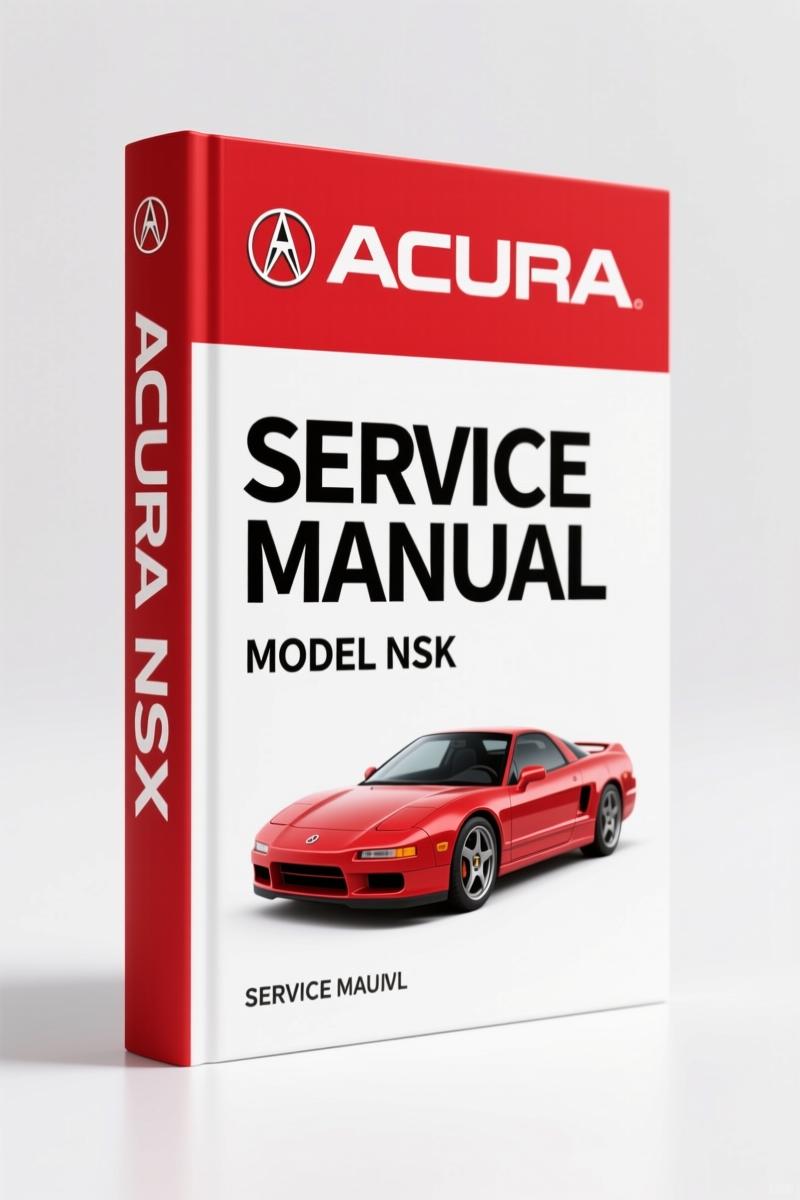
Acura NSX 1991 Service Manual – 1420 Pages OEM
Original price was: $102.05.$65.00Current price is: $65.00.
Related products
-
Sale!

1999 Operators Manual – International 1000-4000 Series | OEM Specs
Original price was: $11.67.$7.99Current price is: $7.99. -
Sale!

2006 Service Manual – International DT 466E, 530E Diesel Engine
Original price was: $67.50.$50.00Current price is: $50.00. -
Sale!
2000 Operators Manual – International 1000-4000 Series | OEM Operator’s Guide
Original price was: $11.43.$7.99Current price is: $7.99. -
Sale!

2011 Parts Catalog – International Truck OE Parts Documentation (1786 Pages)
Original price was: $34.50.$25.00Current price is: $25.00.
workshop_guy –
This is just what I needed. The pages are clean and easy to navigate. It assisted me to fix my Nachi IPH2A(B)3.511 electrical system. Saves me hundreds of dollars.
Robert M. –
This is exactly what I required. Immediate link after payment. It assisted me to rebuild my Nachi IPH2A(B)3.511 transmission. Saves me so much time.
John S. –
This is exactly what I required. The document is high resolution. It helped me to fix my Nachi IPH2A(B)3.511 transmission. Saved my repair job! Thank you.