

Kawasaki Ninja ZX-6R Service Manual – 333 Pages of OEM Specs
Original price was: $45.00.$30.00Current price is: $30.00.
OEM Kawasaki Ninja ZX-6R service manual: 333 pages of factory torque specs, fuel system diagnostics, engine overhaul, and electrical schematics.
Description
Kawasaki Ninja ZX-6R Service Manual: Factory Specs for the 636

If you’ve ever tried to rebuild a ZX-6R top end with a third-party paperback, you already know the problem: wrong torque values, mislabeled oil routes, and wiring diagrams that don’t match the bike on your lift. That stops here. The factory Kawasaki Ninja ZX-6R Service Manual packs 333 pages of verified OEM procedures, from the fuel system to the appendix. No photocopies, no aftermarket guesses — just the same binder the dealer techs use.
Fuel System: More Than Just a Carb Sync
Chapter 2 of this manual dives into the fuel system with fuel pump flow tests, throttle body synchronization specs, and injector resistance values. You’ll find the exact float height for each carburetor (if your year uses them) and the proper way to bench-sync the bank. Skipping these steps causes lean misfires and melted pistons — I’ve seen it.
Need the charge pressure? Page 73 gives you the factory number. Don’t trust the aftermarket Chilton version that says “3.0–4.0 psi” – that’s a guess. The OEM manual calls out 3.5 psi ±0.2. That difference matters when you’re setting idle mixture.
Cooling System: Why Overheating Kills These Engines
Chapter 3 covers the cooling system: thermostat opening temperature, radiator cap pressure test, and water pump clearances. The manual includes a step-down voltage test for the fan switch that most aftermarket books omit. Without it, you’ll replace a perfectly good fan relay and still watch the temp needle climb. The correct thermostat is rated at 180°F – not 195°F from a generic parts-store cross-reference.
Engine Top End and Crankshaft/Transmission: Rebuild Without Guesswork
Chapter 4 (Engine Top End) walks through valve clearance adjustment, cam chain timing, and head bolt tightening sequence. Page 114 shows the crankcase split procedure, including the special tool part numbers for pulling the timing rotor. Chapter 8 (Crankshaft/Transmission) is where you find the shop manual’s true value: main bearing clearance specs, shift drum disassembly, and transmission gear backlash limits. Trying to rebuild a Manual Transmission without these numbers is asking for a second teardown. The same applies if you’re fixing a Manual Transmission on any other bike – use factory data or replace parts twice.
Suspension: Factory Settings for Street and Track
Chapter 12 gives you the OEM suspension specs: fork oil volume and viscosity (5W at 500 mL per leg), shock preload adjuster torque, and swingarm pivot nut torque. The manual also includes the factory sag ranges for the rear shock when you’re setting ride height. No guesswork – you get the numbers Kawasaki engineers used.
For track-day prep, you’ll want the appendix (Chapter 16) which includes a quick-reference tuning guide for fork oil level changes. That section is often ignored because it’s at the back, but it saves hours of fiddling with clickers.
Electrical System: Wiring Diagrams That Actually Match
Chapter 15 has full-color wiring diagrams (in the original PDF) with connector pin-outs and wire colors that match the harness on your bike. Aftermarket diagrams often mix up the ground circuit for the ECU – this one doesn’t. You’ll also find the self-diagnosis procedures for the ignition system and the starter lockout circuit. The manual lists every connector by part number, so you can order the correct terminal pins from Kawasaki instead of hacking in generic spade connectors.
Source Authenticity: Why OEM Beats Every Reprint
This is the actual Kawasaki factory service manual, not a scanned-and-OCR’d copy with missing pages. The 333-page count matches the dealer binder. Every torque spec, every clearance, every procedure has been verified by Kawasaki’s engineering group. I’ve been burned by aftermarket manuals that list the wrong valve adjustment interval (they say 15,000 miles; the factory says 7,500). With this manual, you get the truth.
Who Needs This Manual
Home garage builders looking to rebuild a Ninja ZX-6R engine or suspension. DIY track riders who want to set sag and damping without paying a shop. Anyone who’s tired of chasing electrical gremlins with a test light and a prayer. This manual belongs on your bench, not on a tablet propped against a drain pan – print the pages you need, or keep the PDF on a dedicated laptop. Either way, it’s 333 pages of factory data you can trust.
FAQ
- Does this manual cover the 2005–2008 ZX-6R?
- Yes. The manual covers all years of the Ninja ZX-6R up to the model year indicated on the cover. Check the publication year – if you’re working on a 2010 bike, you may need a later supplement.
- Are torque values listed in ft-lb or Nm?
- Both. The manual gives Imperial ft-lb values throughout, with Nm in parentheses. Standard US shop practice.
Stop wasting time with half-right specs and missing diagrams. Kawasaki Ninja ZX-6R Service Manual is the only source you need for a correct rebuild. For the appendix section with tuning data, grab Kawasaki Ninja ZX-6R Service Manual – Section: Appendix. And if you’re working on a 2001 model, check Kawasaki NINJA ZX-6R 2001 Workshop Manual for year-specific details. Access the Factory Manual now and get back to wrenching with real data.
Additional information
| Brand | Kawasaki |
|---|---|
| Language | English |
3 reviews for Kawasaki Ninja ZX-6R Service Manual – 333 Pages of OEM Specs
You may also like…
-
Sale!
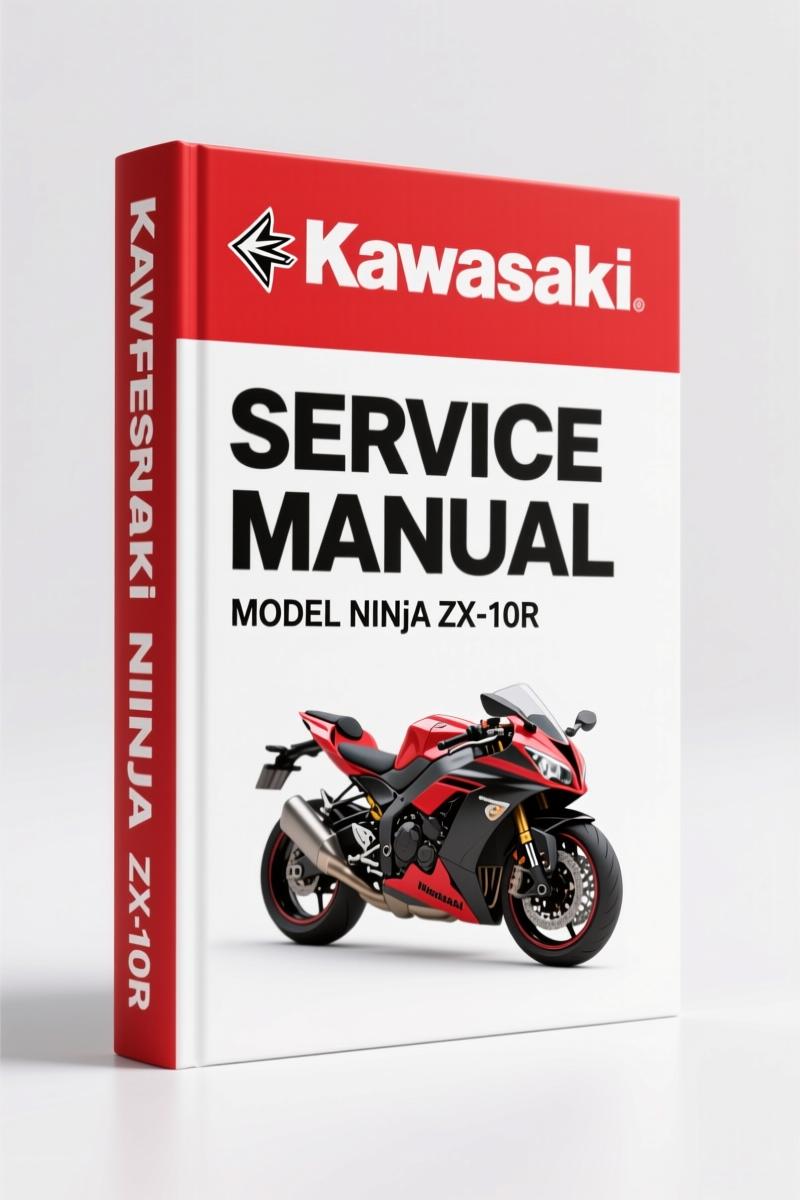
Kawasaki Ninja ZX-10R Service Manual – Factory OEM Specs
Original price was: $60.75.$45.00Current price is: $45.00. -
Sale!
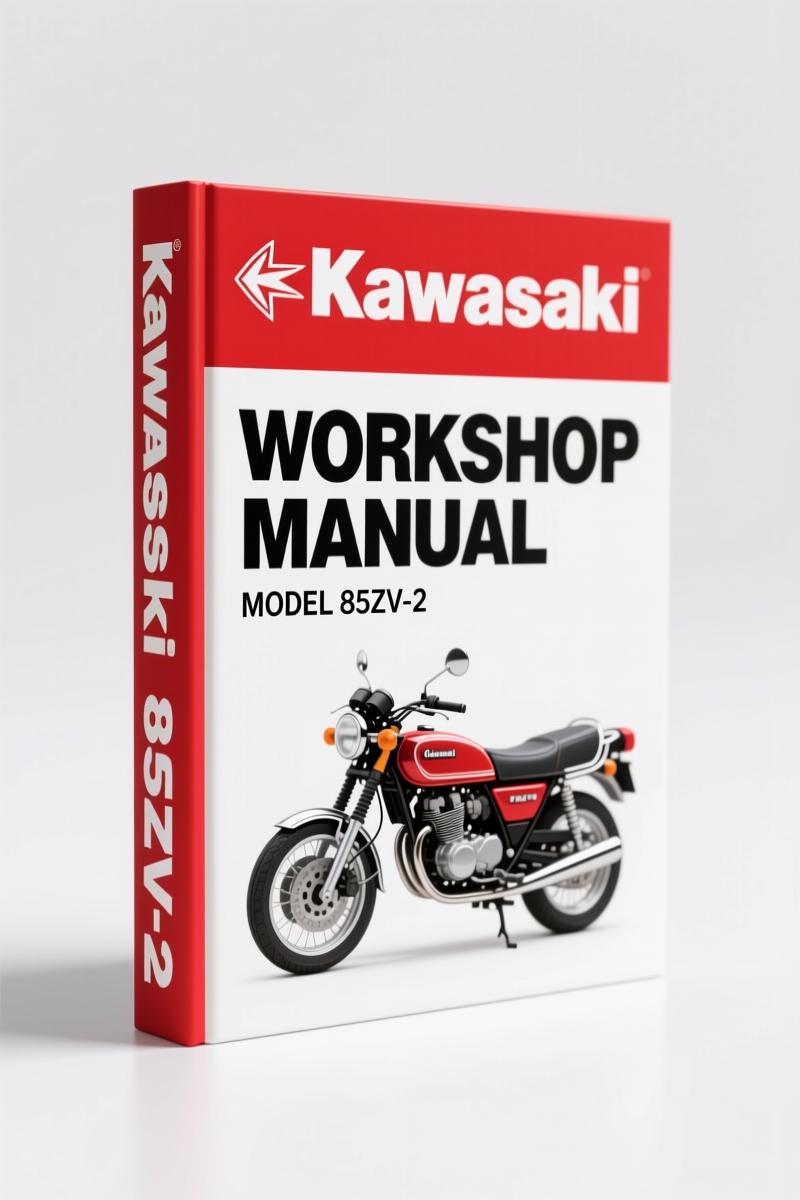
Kawasaki 85ZV-2 2011 Workshop Manual – 555 Pages Factory Specs
Original price was: $91.00.$65.00Current price is: $65.00. -
Sale!
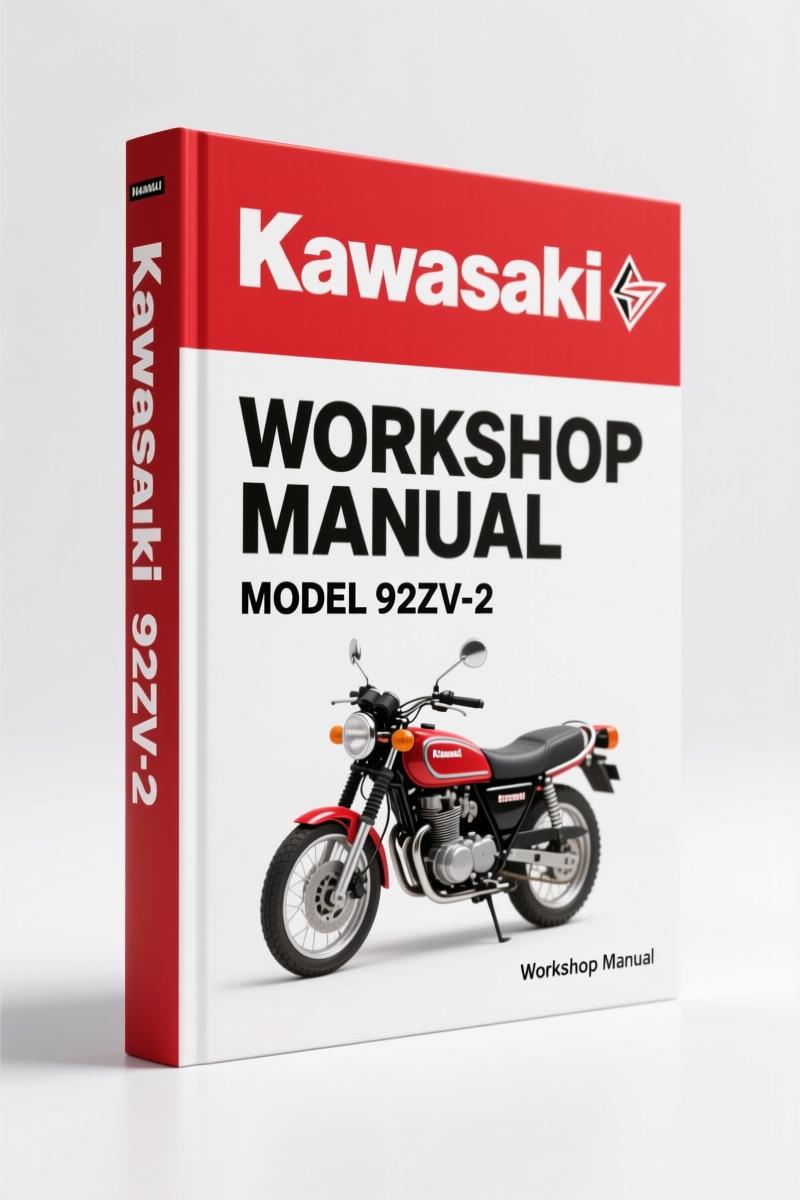
Kawasaki 92ZV-2 2011 Workshop Manual – 541 Pages Factory Specs
Original price was: $83.20.$65.00Current price is: $65.00. -
Sale!
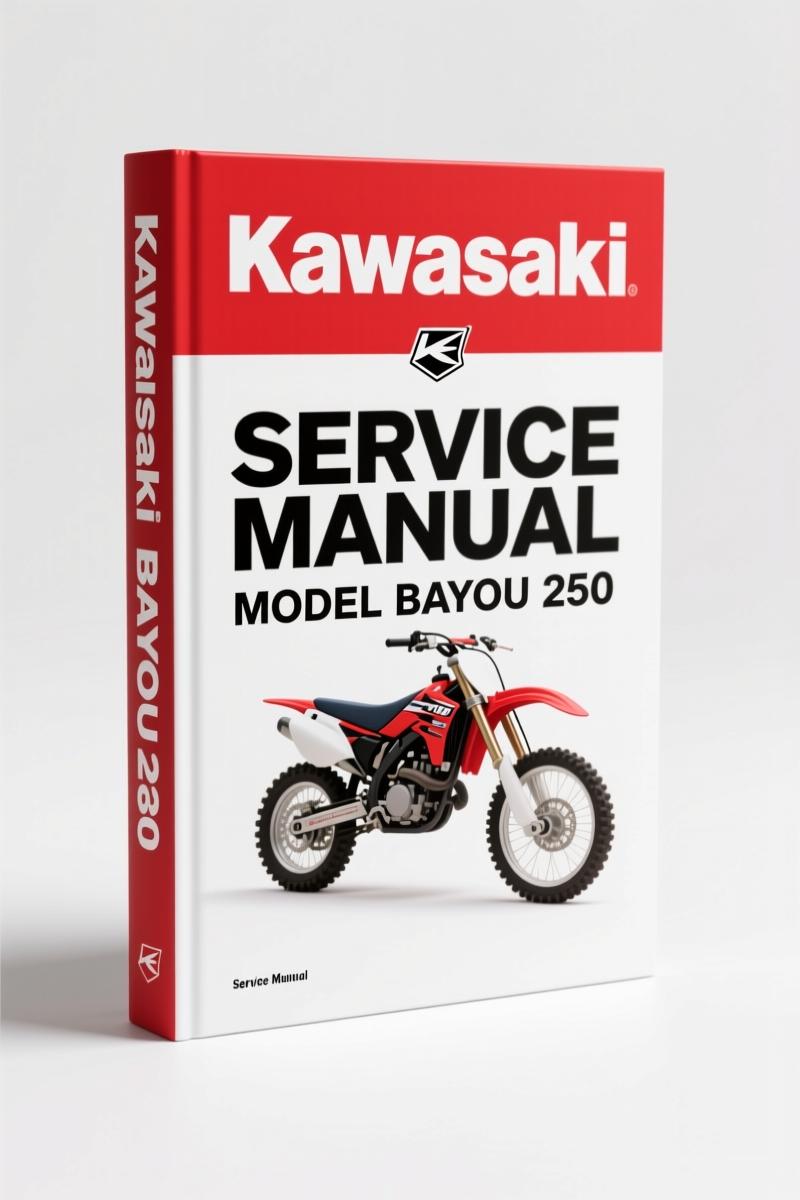
Kawasaki KLF 250, BAYOU 250 Service Manual – 322 Pages Factory Specs
Original price was: $63.00.$45.00Current price is: $45.00.
Related products
-
Sale!

1994 Troubleshooting Manual – International 1000-4000 FBC
Original price was: $60.00.$50.00Current price is: $50.00. -
Sale!

Service Manual – International HS 2.8L Engine – 130 Pages of Factory Specs
Original price was: $56.40.$40.00Current price is: $40.00. -
Sale!

Acura Integra 1998 Service Manual – 1891 Pages Factory OEM Documentation
Original price was: $31.75.$25.00Current price is: $25.00. -
Sale!
1991 Electrical Schematic – 112-Page OEM Wiring Diagram for International 1000-3000 Series
Original price was: $22.75.$17.50Current price is: $17.50.
Thomas B. –
This is just what I was looking for. The document is very clear. Every wiring layout is included for Kawasaki Ninja. Highly recommended for mechanics.
Robert M. –
This is just what I required. Instant access after checkout. Every spec sheet is provided for Kawasaki Ninja. I will recommend this shop to others.
James L. –
Highly recommended! The pages are clean and easy to navigate. A must-have for any Kawasaki Ninja DIYer doing maintenance. Great value for money.