
Skoda Octavia Technical Manual – Convenience Electronics System
Original price was: $34.65.$22.50Current price is: $22.50.
32-page OEM technical manual for Skoda Octavia convenience electronics: central locking, window lifters, self-diagnosis, CAN bus dictionary.
Description
Skoda Octavia Technical Manual – Convenience Electronics System (32 Pages)
You’ve got a Skoda Octavia in the bay with a central locking glitch, window regulator that quit, or a mirror that won’t adjust. Grabbing a generic online guide is a bet I wouldn’t take. I’ve seen too many techs chase ghosts because they used aftermarket wiring colors or skipped the self-diagnosis sequence. This Skoda Octavia Technical Manual is the factory document that tells you exactly how the decentralized convenience electronics system works – 32 pages of OEM data, not a reprint or a third-party summary. It covers the central control unit, four door control units, and the CAN bus that ties them together. If you’re touching the electrical system on any Octavia with convenience features, this is the spec source you need on your bench.
What’s Inside These 32 Pages
This isn’t a full service manual – it’s a focused technical deep-dive into the convenience electronics network. The table of contents starts with the system structure (page 4), then walks through each function: central locking, electric window lifters with roll-back, interior light control, radio remote control, and mirror adjustment with heater. There’s a dedicated section on the central control unit and self-diagnosis (page 20). Special functions cover crash mode, emergency operation, sleep model behavior, and the different opening versions of central locking. The mechatronics section (page 28) goes into door lock electronics, microswitches, and the rotary tumbler switch. You even get a CAN BUS dictionary on page 31 and a test-your-knowledge page at the end. Every page is pure factory procedure – no fluff, no filler.
Self-Diagnosis: Don’t Skip It
Page 20 lays out the self-diagnosis routine. The manual’s own warning is clear: “Before carrying out any service work on the system, the first action is to start the self-diagnosis.” That’s not a suggestion. In this system, each door control unit operates independently – there’s no master controller. If you don’t run diagnostics first, you’ll waste hours swapping parts that are fine. The central control unit is the access point for the diagnostic interface via the K-wire. Without that sequence, you can’t tell if a door module lost communication or if a microswitch is stuck. I’ve seen guys replace a whole window regulator because they didn’t read the fault codes first. This manual saves that headache.
CAN BUS Dictionary: Pinout Without the Guesswork
Page 31 has the CAN BUS dictionary. That’s not a generic wiring pinout – it’s the actual data frame identifiers for the Skoda Octavia network. Convenience electronics, central locking, window lifters, mirror adjustment – they all communicate on the same two-wire CAN dataline. If you’re trying to diagnose a no-communication fault or add an aftermarket module, you need these IDs. Without them, you’re guessing which signal goes where. This is exactly the kind of data that aftermarket manuals either omit or get wrong.
Door Lock Mechatronics: Microswitches and Rotary Tumblers
The mechatronics section starting on page 28 covers the door lock assembly in detail. It explains the door lock with microswitch and the rotary tumbler switch that detects key position. If you’ve ever fought a central locking actuator that clicks but doesn’t unlock, you know how frustrating it is to troubleshoot without a schematic. This manual gives you the operating principle and the function diagram for the driver’s door as an example. It also covers the superlock function and interior light control tied to door status. Replace a lock cylinder or a microswitch? You’ll find the factory removal sequence here, not a generic “remove screws” instruction.
Who Should Buy This Manual
DIY owners working on their own Octavia – this manual is for you. The convenience electronics system is the most common cause of electrical gremlins in these cars. A dead remote, a window that won’t roll up, a mirror that only moves one way – all traced back to the door control unit or CAN bus. Professional mechanics will appreciate having the OEM self-diagnosis procedure and the exact CAN IDs for network troubleshooting. Beginners need the step-by-step logic of what to check first. Just remember: this is a technical manual, not a repair manual for the whole car. It focuses only on convenience electronics – for engine or transmission work, you want the related manuals like Skoda Octavia 1996 Workshop Manual Electrical System or Skoda Octavia 1.9 TDI AGR Engine Technical Manual. If you’re doing gearbox work, see the SKODA Octavia Gearbox 02K 02J Manual Guide.
OEM Factory Print vs Aftermarket Copies
I tell every new tech in my shop: trust the factory manual over anything that says “universal” or “compatible.” This is an original Skoda document, not a scanned reprint or a compilation from other sources. The wiring diagrams match the actual vehicle harness colors. The diagnostic procedure follows the factory test plan. The CAN BUS dictionary is straight from Skoda’s engineering – not reverse-engineered. For a real-world comparison, look at the Automotive Industry Overview on OEM vs aftermarket documentation – the difference shows up in every repair. When you rely on this manual, you’re using the same source Skoda dealerships used. That’s the only way to avoid chasing phantom faults.
How to Use This Manual on the Bench
Print out the CAN BUS dictionary page and tape it to your toolbox. Start every job by running self-diagnosis as the manual instructs. Follow the function diagrams for central locking and window lifters – they show signal flow, not just wire colors. And when you get to special functions in the event of a crash (page 24), read that section before you start hacking into the wiring. The sleep model behavior can cause intermittent power drops that look like bad grounds. One more thing: the manual says “Refer to the Workshop Manual for notes on inspection and servicing.” This technical manual complements the bigger workshop book – it’s not a replacement. But for the convenience electronics system, it’s the best 32 pages you can own.
- Does this manual cover the engine or drivetrain?
- No. This 32-page document is strictly about the convenience electronics system – central locking, windows, mirrors, interior lights, remote control, and the CAN bus for those functions. For engine or transmission work, get the separate workshop manuals.
- Can I use this manual on a non-Skoda vehicle?
- Not directly. The CAN bus dictionary and mechatronics details are specific to the Skoda Octavia platform. The general principles of decentralized convenience electronics might help, but the pinouts and diagnostic IDs won’t match other makes. Stick with the model this was written for.
Factory data, 32 pages, OEM diagrams, and the self-diagnosis sequence that every Octavia electrical job should start with. Access the Factory Manual and put it on your tablet or print it out. You’ll save yourself the kind of frustration that turns a two-hour job into a two-day nightmare.
Additional information
| Brand | Skoda |
|---|---|
| Language | English |
3 reviews for Skoda Octavia Technical Manual – Convenience Electronics System
You may also like…
-
Sale!
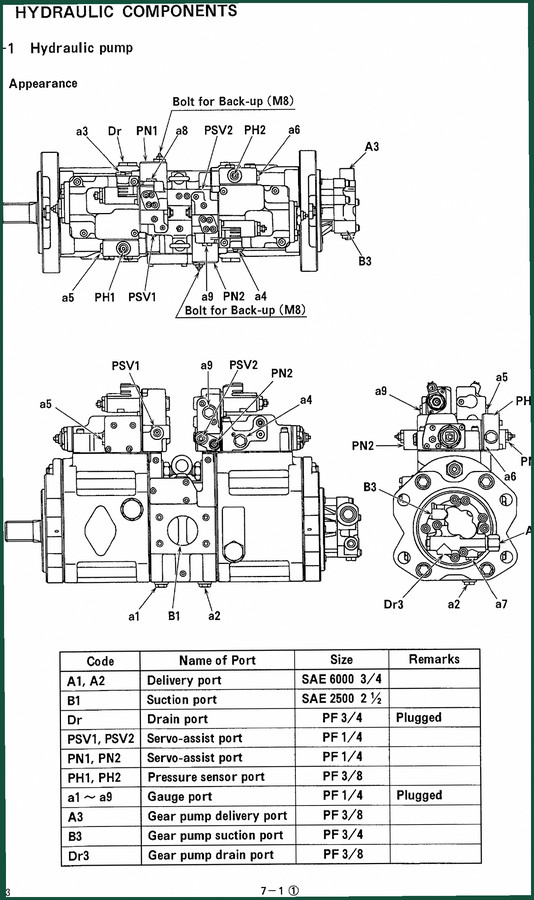
Skoda SK200-6, SK230-6, SK320-6 Technical Manual – 17 Pages
Original price was: $36.90.$30.00Current price is: $30.00. -
Sale!
Skoda 105 S, 105 L, 120 L, 120 LE, 120 LS 1980 Workshop Manual – Factory OEM Specs
Original price was: $54.60.$35.00Current price is: $35.00. -
Sale!
Skoda Octavia Training Manual – Climatronic AC Technical Guide
Original price was: $44.10.$35.00Current price is: $35.00. -
Sale!
Skoda Fabia 1999 Workshop Manual – OEM Engine & Crankgear Specs
Original price was: $36.00.$30.00Current price is: $30.00.
Related products
-
Sale!

1992 Electrical Schematic – OEM Wiring Diagrams for International 1000-3800
Original price was: $24.48.$18.00Current price is: $18.00. -
Sale!

1991 Operators Manual – International Truck OEM Specs (108 Pages)
Original price was: $13.63.$10.99Current price is: $10.99. -
Sale!

1989 Service Manual – International 2000-8000 Electrical Systems
Original price was: $72.00.$50.00Current price is: $50.00. -
Sale!
International 1000-3000 Series Operators Manual – 132 Pages of OEM Specs
Original price was: $14.40.$10.99Current price is: $10.99.
Charles W. –
This is just what I needed. The scan is high-quality and easy to navigate. It helped me to fix my Skoda Octavia transmission. I will definitely buy again.
gearhead88 –
I am very pleased with this purchase. The file looks clean. Contains precise schematics for Skoda. Saves me hundreds of time.
William H. –
Perfect OEM spec sheet. The PDF is very clear. A must-have for any Skoda Octavia DIYer doing repairs. I will recommend this shop to others.