
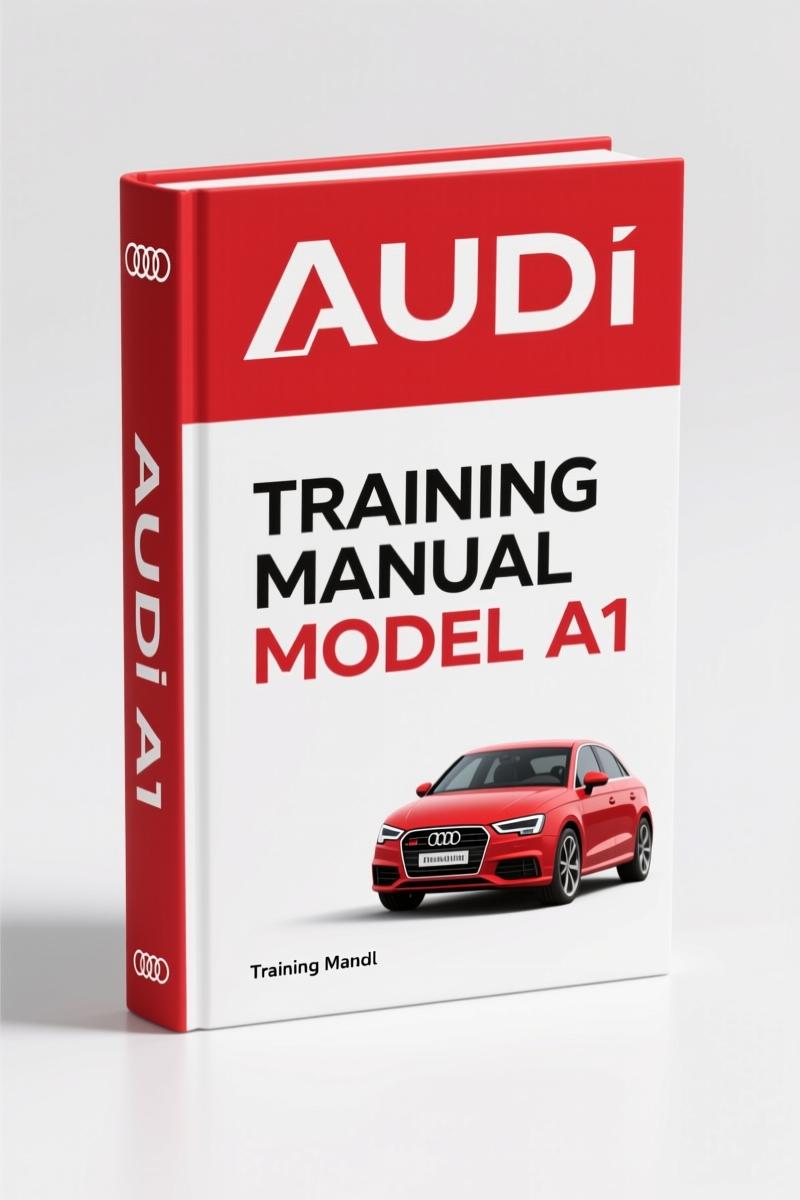
Audi A3, A1 Training Manual – Factory Self-Study Programme SSP 485
Original price was: $15.48.$9.99Current price is: $9.99.
Factory Audi SSP 485 training manual for A1/A3 1.2L TFSI engine technology, fuel system, and service procedures.
Description
Audi A3, A1 Training Manual – What You Get
If you’ve ever tried to pull torque specs for a 1.2l TFSI from some aftermarket PDF, you know the drill – half the numbers are missing, the diagrams look like they were faxed twice, and the wiring colors don’t match. This Audi A3, A1 Training Manual isn’t that. It’s a factory Self Study Programme (SSP 485) written for techs who need to understand how Audi engineered the engine, not just where to stick a wrench. 40 pages, direct from Ingolstadt, and it spells out the differences between this downsized EA111 and the bigger TFSI units. No guesswork, because Audi doesn’t trust guesswork either.
I’ve been turning wrenches since before some of you were born, and I’ll tell you straight – training manuals like this are where you learn why a part fails, not just how to replace it. Page 2 lays out the core specs: 1197 cc displacement, 10.0:1 compression, and 175 Nm (129 ft-lb) of torque from 1550 to 4100 rpm. That’s not a typo – that’s the factory number. You need that for any bottom-end work or diagnosing a low-torque complaint. The manual also explains the lightweight aluminum block and the new combustion process. If you’re rebuilding one of these, you need to know where the material changed, or you’ll chase cooling issues all day.
What This Audi A3, A1 Training Manual Covers
The book is structured around four learning objectives that answer real diagnostic questions: basic engine design, differences from prior TFSI engines, fuel system modifications, and engine management specifics. Each section has factory diagrams and explanations that a repair manual often skips. For example, the fuel system section covers the high-pressure injection pump and the direct-injection rail pressures – critical if you’re replacing injectors or chasing a lean code. Page 3 carries a note you need to read: “It is not a Repair Manual!” That means it won’t give you step-by-step removal procedures. But it will tell you why the injector spray pattern changed and what that means for carbon buildup. Pair it with a real service manual like the Audi A3 1997 Service Manual”>Audi A3 1997 Service Manual and you’ve got both the how and the why.
1.2l TFSI Engine: Differences You Need to Know
One of the biggest frustrations with newer engines is that parts from earlier TFSI generations don’t always swap over. This manual lists exactly what changed: the cylinder block is weight-optimized aluminum instead of iron, the piston rings are different, and the combustion chamber shape was redesigned for the smaller displacement. If you’re working on a 77 kW (105 hp) version found in the A3 Sportback, you’ll appreciate the detail on the variable valve timing and the turbocharger matching. The manual doesn’t just say “use new bolts” – it shows you why the bolt stretch pattern matters on this specific block. That’s the kind of info that keeps a head gasket from leaking six months later.
3 Key Systems Explained in 40 Pages
The manual focuses on three systems that cause most of the head-scratching on these engines: the fuel system, the engine management, and the cooling/lubrication circuit. The fuel system section goes deep into the high-pressure pump and the pressure sensor feedback. The management section covers the Bosch Motronic MED 17.5.x – which firmware variants are used and what sensors communicate on the CAN bus. For DIYers who have swapped a turbo and then got a limp mode, this section explains the torque-modeled boost control. And for the cooling system, there’s a diagram of the dual-circuit thermostat layout that’s easy to misinterpret without the factory explanation. Pair this with the Audi A3 1996 Self Study Programme”>Audi A3 1996 Self Study Programme if you need earlier engine family comparisons.
Get the Right Torque Data from the Source
Torque specs are only as good as the source. Aftermarket manuals often round numbers or use generic values for “turbo engines.” This training manual references the exact tightening procedures for the cylinder head and main bearings – though you’ll still need the repair manual for the step sequence. What it does give you is the rationale: why the head bolts are torqued to a specific angle after initial seating. The engine’s aluminum block expands differently than iron, so a wrong torque can warp the deck. I’ve seen it happen. Don’t be that guy. If you need the full workshop procedures, get the Audi A3 1997 Workshop Manual”>Audi A3 1997 Workshop Manual alongside this training manual. They complement each other.
Why OEM Training Manuals Beat Aftermarket
Aftermarket publishers copy from each other. They don’t test. Audi writes these Self Study Programmes for their own technicians. Every statement is verified against the actual engine. For example, the manual states that the CO2 emissions are 127 g/km under the NEDC cycle – that’s a real measured number, not an estimate. When you’re diagnosing a fuel trim issue, knowing the target emissions can help you decide if the oxygen sensor is lazy or the injection timing is off. The training manual also includes a learning objectives checklist at the front so you can self-test your understanding. That’s something a generic manual never does. For broader context on industry trends in engine downsizing, you can reference the Automotive Industry Overview and Automotive Industry Overview reports, but for this specific engine, trust the factory.
FAQ – Common Questions
- Is this manual a replacement for a workshop repair manual?
- No. It’s a training manual, not a repair manual. You still need a factory workshop manual for removal and installation steps.
- What kind of tools will I need to use the information here effectively?
- You’ll need a diagnostic scan tool that reads live data from the Bosch MED 17.5 ECU, a torque wrench capable of reading in Nm (or ft-lb with conversion), and a multimeter for sensor tests. The manual refers to special tools like the fuel pressure gauge adapter for the high-pressure rail – you’ll need to source that separately. For the mechanical work, a good set of triple-square bits (XZN) is required for the cylinder head bolts. The manual assumes you already know how to use these tools; it doesn’t teach basic wrenching.
Bottom line: if you’re working on an Audi A1 or A3 with the 1.2l TFSI and you want to understand the engine instead of just swapping parts blindly, this 40-page Audi A3, A1 Training Manual is worth the time. It won’t hold your hand through every bolt, but it will tell you exactly why that bolt needs that torque and that angle. Click the button to access the factory manual now.
Additional information
| Brand | Audi |
|---|---|
| Language | English |
4 reviews for Audi A3, A1 Training Manual – Factory Self-Study Programme SSP 485
You may also like…
-
Sale!
Audi 5000 S 1985 Wiring Diagram – OEM Cooling Fan Circuit Data
Original price was: $86.90.$55.00Current price is: $55.00. -
Sale!
Audi A8, Q7 Training Manual – Ceramic Brake Systems
Original price was: $54.00.$45.00Current price is: $45.00. -
Sale!
Audi A3 2003 Repair Manual – Fuel System Service Documentation
Original price was: $63.45.$45.00Current price is: $45.00. -
Sale!
Audi 100, 200 1989 Workshop Manual – Factory Service for 5-Cylinder Engine
Original price was: $63.45.$45.00Current price is: $45.00.
Related products
-
Sale!

2005 Parts Catalog – International NGD 3.0 L Engine (77 pages)
Original price was: $44.70.$30.00Current price is: $30.00. -
Sale!

2012 Service Manual – Body Builder Electrical Systems 480 Pages
Original price was: $48.28.$34.00Current price is: $34.00. -
Sale!

1995 Operators Manual – International 1000-4000 Series | OEM Documentation
Original price was: $12.49.$9.99Current price is: $9.99. -
Sale!
1992 Electrical Schematic – OEM Wiring Diagrams for International 1000-3800
Original price was: $24.48.$18.00Current price is: $18.00.
workshop_guy –
I am very pleased with this manual. The document looks clean. It guided me to rebuild my Audi A3, transmission. Worth every penny.
David K. –
Highly recommended! The text is searchable and well indexed. It guided me to fix my Audi A3, electrical system. I will recommend this shop to others.
John S. –
This is just what I was looking for. Immediate link after checkout. A must-have for any Audi A3, owner doing repairs. Saved my repair job! Thank you.
James L. –
Superb resource! Immediate link after checkout process. It helped me to fix my Audi A3, electrical system. Saved my weekend project! Thank you.